

Blog
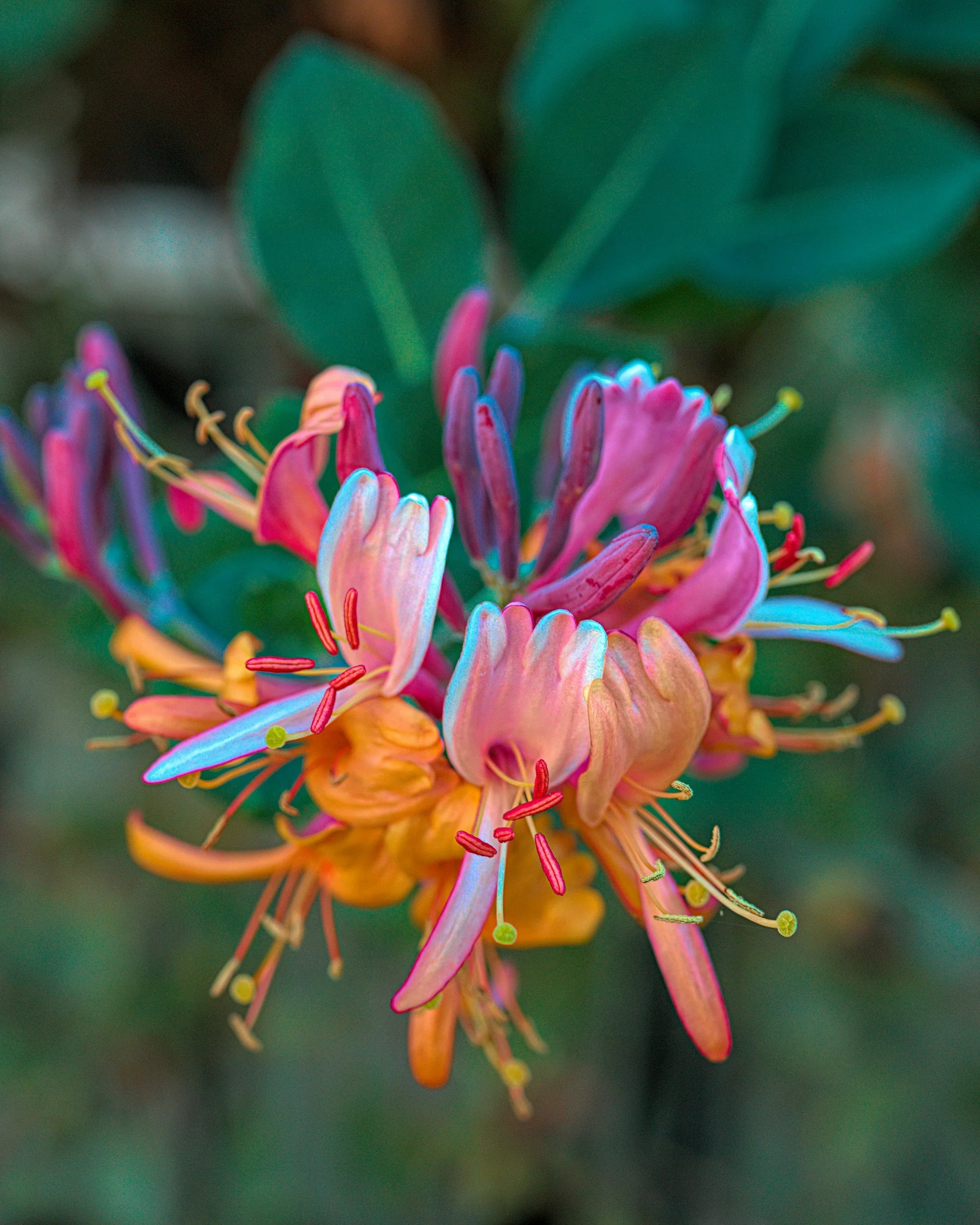
Cold Hardy Plants For Ocala, Florida
Ocala, Florida, sits in USDA Hardiness Zone 9a, where winter lows average 20–25°F (with occasional dips that can test plant resilience). While much of Florida enjoys subtropical bliss, central areas like Ocala experience mild but real frosts a few times per winter, typically 5–10 frost days annually. This makes "cold hardy" landscaping crucial: choose plants that shrug off brief chills down to around 20°F without major damage, while thriving in hot, humid summers, sandy soils, and occasional dry spells.
The good news? Zone 9a offers a fantastic palette of tough, beautiful options, many native to Florida, that support local wildlife, require low maintenance, and deliver year round interest. Prioritizing natives (or well adapted non-invasives) helps create sustainable, Florida-Friendly landscapes that conserve water and resist pests.
Here are some top cold hardy picks tailored for Ocala area landscaping.
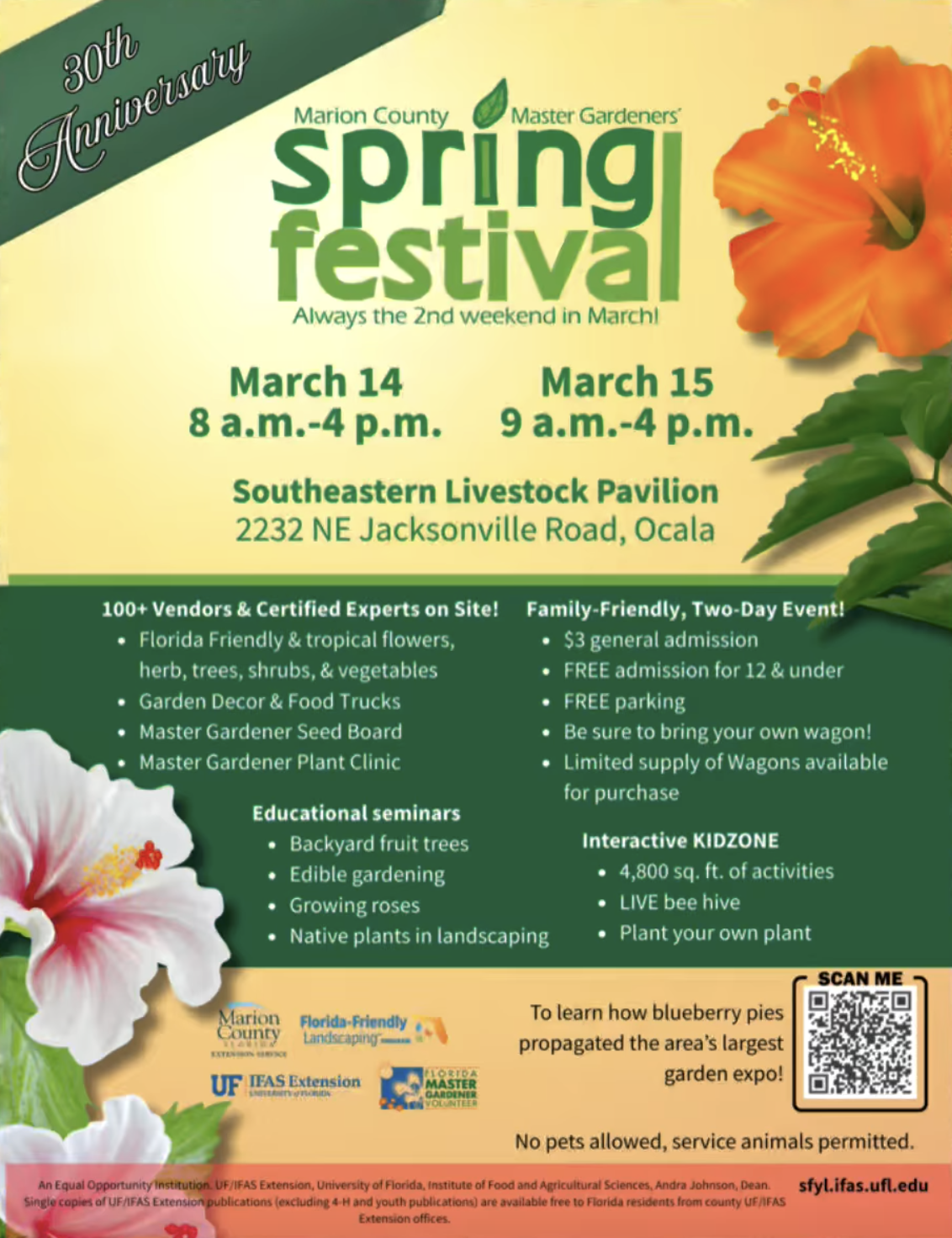
All About Marion County Master Gardeners Spring Festival
The Marion County Master Gardeners Spring Festival is one of the most anticipated events for gardeners in central Florida, and 2026 marks a special milestone: the 30th anniversary of this beloved tradition! Hosted by the UF/IFAS Extension Marion County Master Gardeners (a volunteer program dedicated to promoting science-based horticulture and sustainable gardening practices), the festival has grown into the region's largest all in one plant and garden expo since it began in 1996.
Held annually on the second weekend of March, the 2026 event takes place March 14–15 at the Southeastern Livestock Pavilion in Ocala, Florida (2232 NE Jacksonville Rd, Ocala, FL 34470). This sprawling venue provides plenty of space for hundreds of vendors, educational displays, and enthusiastic crowds eager to kick off the spring planting season.
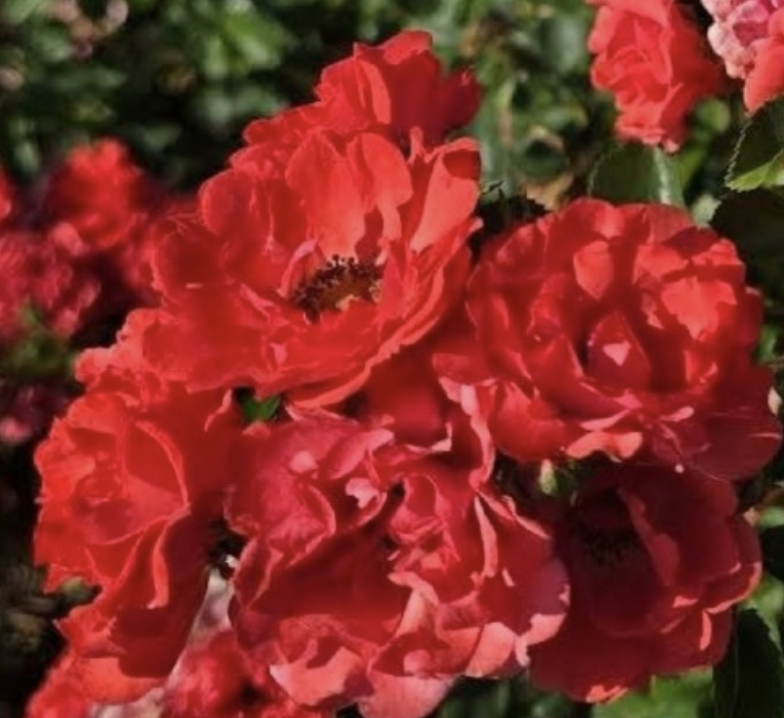
How To Get Your Roses Spring Ready
Alright, enough of the doom and gloom! Let’s switch gears, here’s a helpful guide on getting your roses ready for spring. Ocala, Florida enjoys a warm, subtropical climate with mild winters (except this year!), hot and humid summers, and rare hard freezes. The average last frost date is around early to mid-March (often February 11–20 for freezes, with light frosts possible into early March). As of February 14, 2026, you're in the prime window for prepping Drift® and Knock Out® roses, these low maintenance, disease resistant landscape roses thrive here and bloom prolifically from spring through fall.
Both types are repeat bloomers that flower on new wood, so spring pruning (late winter/early spring) encourages vigorous growth, better airflow (key in humid Florida to combat black spot), and abundant blooms. In central Florida's climate, roses often stay semi evergreen or lightly active in winter, so watch for swelling buds or new shoots as your cue.
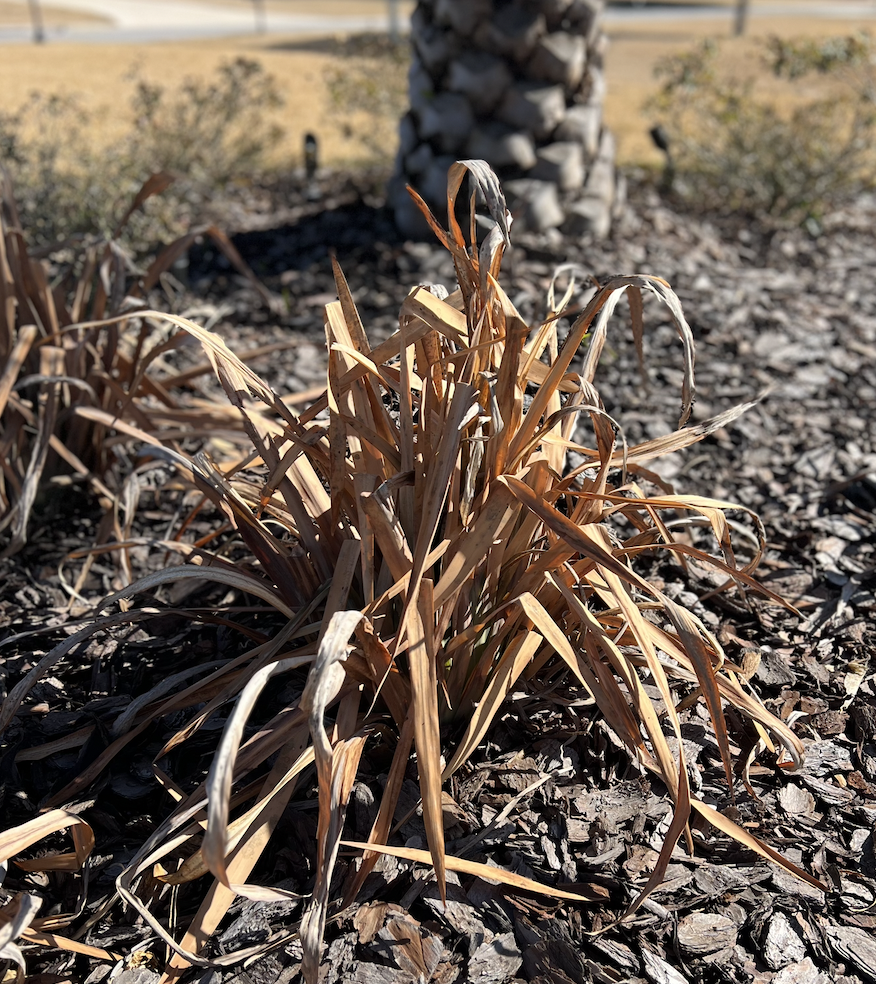
A Blog Of Common Mistakes When Caring For Plants In Ocala, Florida
Winter in Ocala, Florida, brings milder temperatures compared to northern states. Freezes are possible even though infrequent and rarely below 31°F but plants experience slower growth due to shorter days and cooler nights.
While Florida's winters are gentle, gardeners often apply summer habits year round, leading to problems. Here are some of the most common mistakes people make with plants during Ocala's winter season, along with tips to avoid them.
Caring For Your Ocala, Landscaping In The Winter
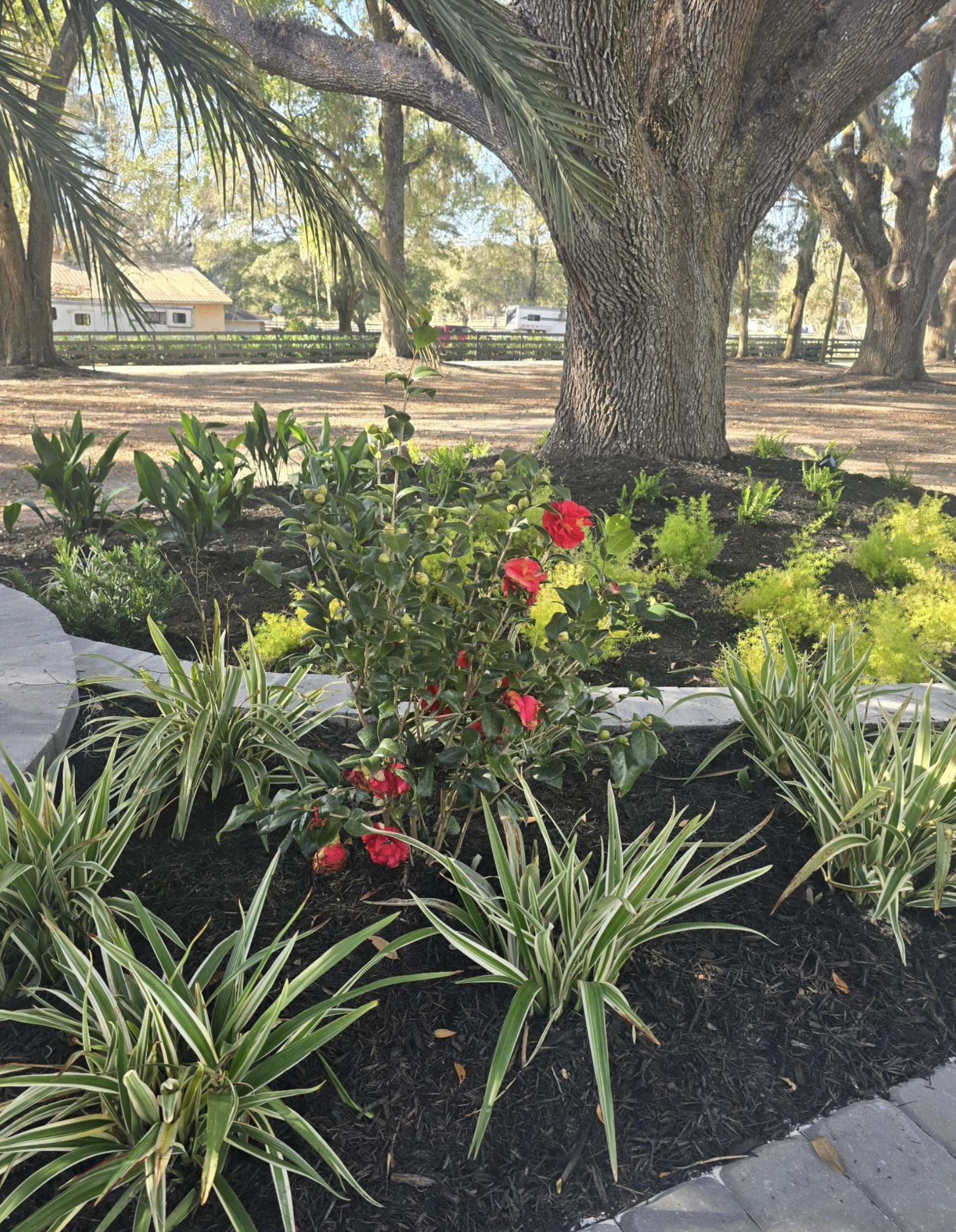
Winter in Ocala, Florida, brings a welcome cool down compared to the intense summer heat, but it still requires thoughtful care for your landscaping. While the region enjoys mild conditions, average January highs around 68–71°F and lows in the mid-40s°F, with February slightly warmer, we’ve had a chilly winter in 2025/2026! Multiple cold snaps dipping into the 30s°F or even 20’s like this upcoming week, bringing frost or rare freezes. The average last spring frost occurs around mid-February, and the first fall frost around early December, giving a relatively short window for potential cold stress but this winter we’ve had to be more on our toes!
Ocala's North Central Florida location (USDA Zone 9a/9b) means many tropical plants can survive year round, but tender species, lawns, and young plantings need extra attention when temperatures drop. Here's a practical guide to keeping your yard healthy and attractive through the cooler months.
Discover Ocala and Nearby Stunning Native Inspired Landscapes: Inspiration for Your Own Outdoor Space
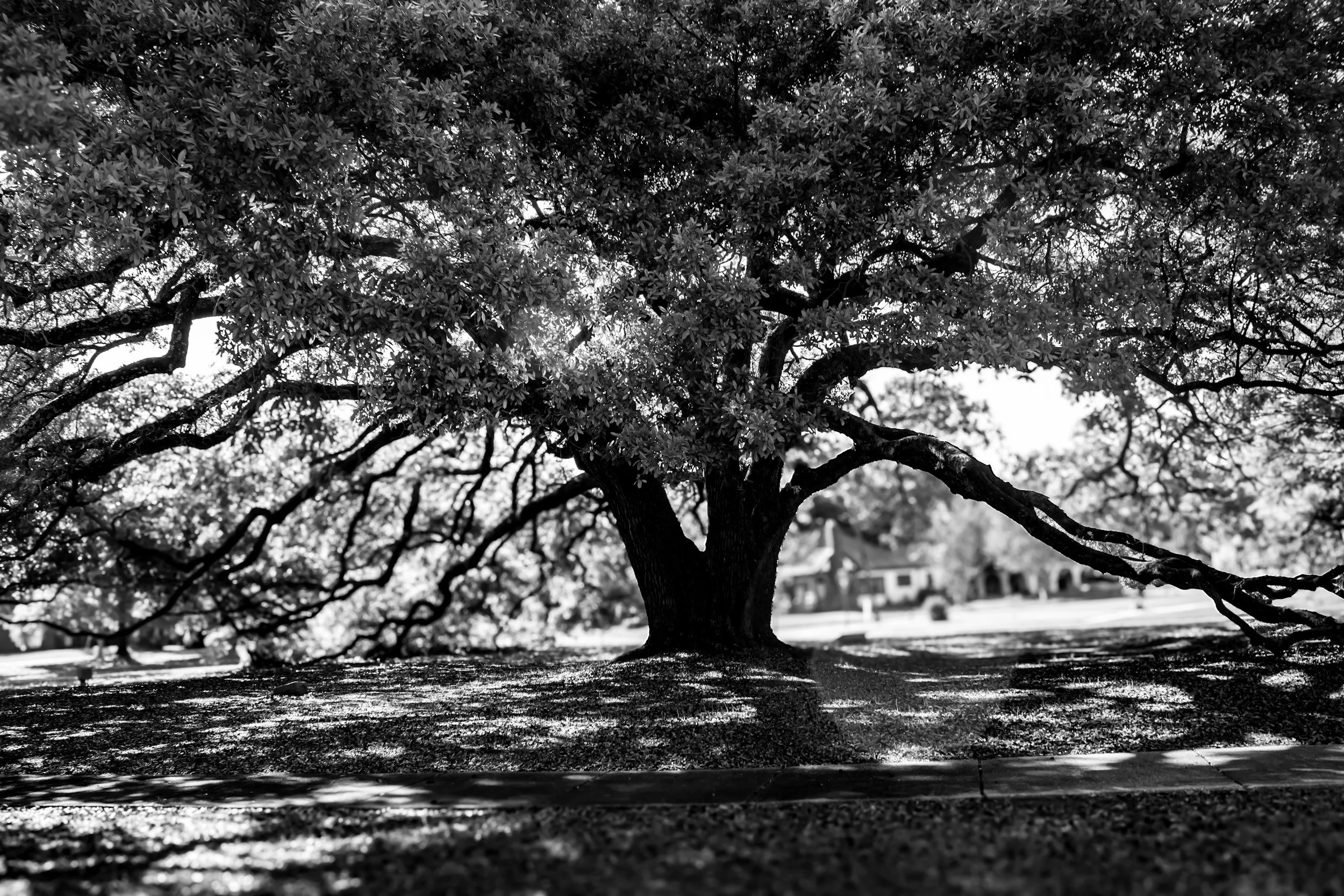
Ocala, Florida, nestled in the heart of Marion County, is surrounded by stunning natural beauty. From parks blending native flora with thoughtful landscaping to nearby state parks and wild areas showcasing Florida's indigenous plants, the region offers peaceful escapes that highlight the area's unique ecosystems. Central Florida's native plants, like live oaks draped in Spanish moss, sabal palms, saw palmettos, firebush, and various wildflowers, thrive here, supporting local wildlife while creating resilient, low maintenance landscapes.
Whether you're a local looking for a serene walk or a visitor seeking nature's tranquility, here are some standout spots in and around Ocala known for their beautiful landscaping and spots for native plants.
Deciduous vs. Evergreen Plants: Creating Year-Round Beauty in Your Ocala, Florida Landscape
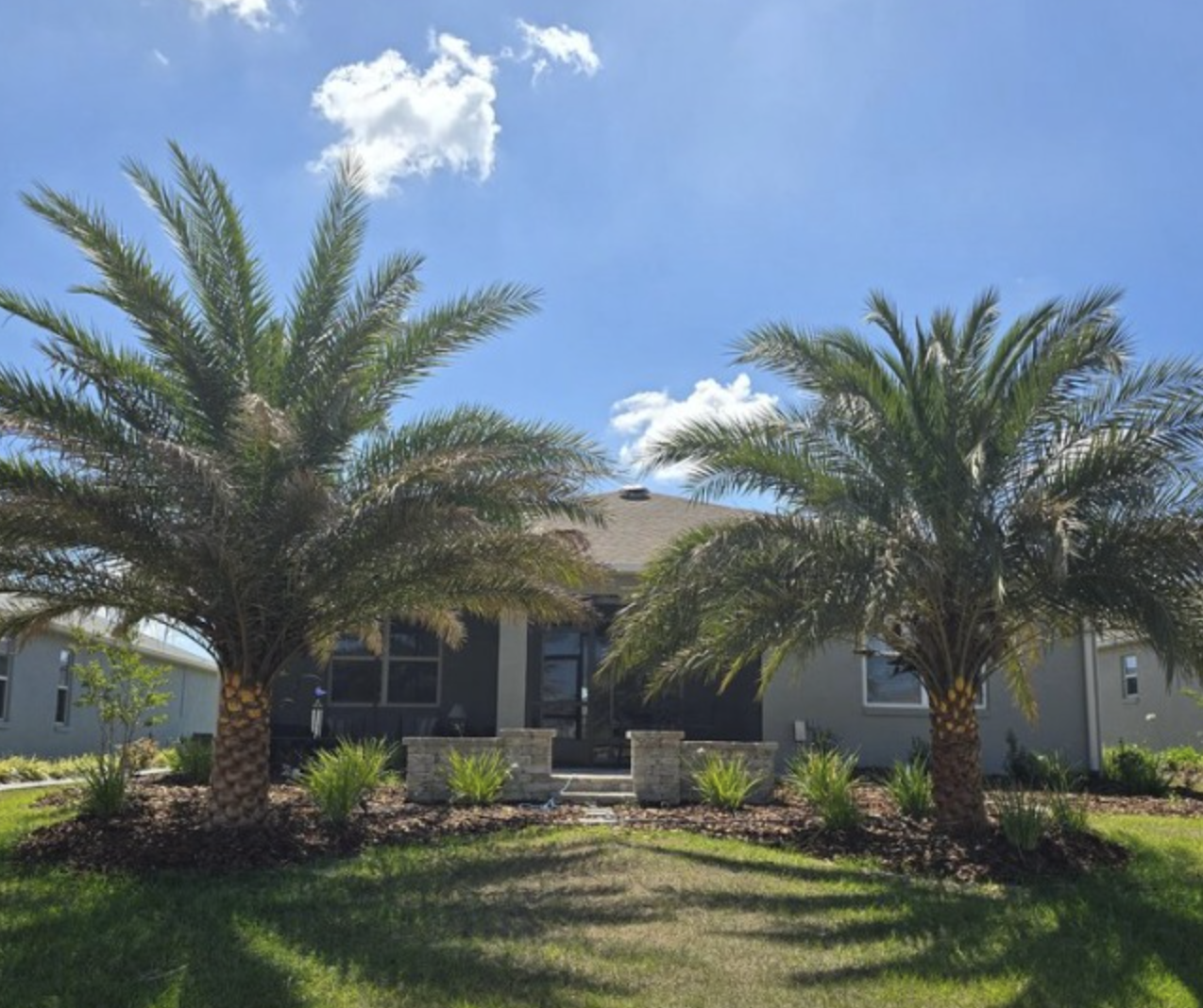
Living in Ocala, Florida, nestled in North Central Florida (USDA Zone 9a), we enjoy a subtropical climate with hot, humid summers, mild winters, and occasional cool snaps, like right now! Our landscapes stay lush most of the year thanks to abundant evergreens, but that doesn't mean we can't enjoy seasonal drama!
Many homeowners wonder: Should I choose deciduous plants (those that drop their leaves in cooler months) for bursts of color and change, or stick with evergreens for consistent, year-round greenery? The best answer is often both! A thoughtful mix delivers structure, privacy, shade, and seasonal interest tailored to our local conditions.
A Simple But Curate Hedge Selection for Ocala, Florida Landscaping
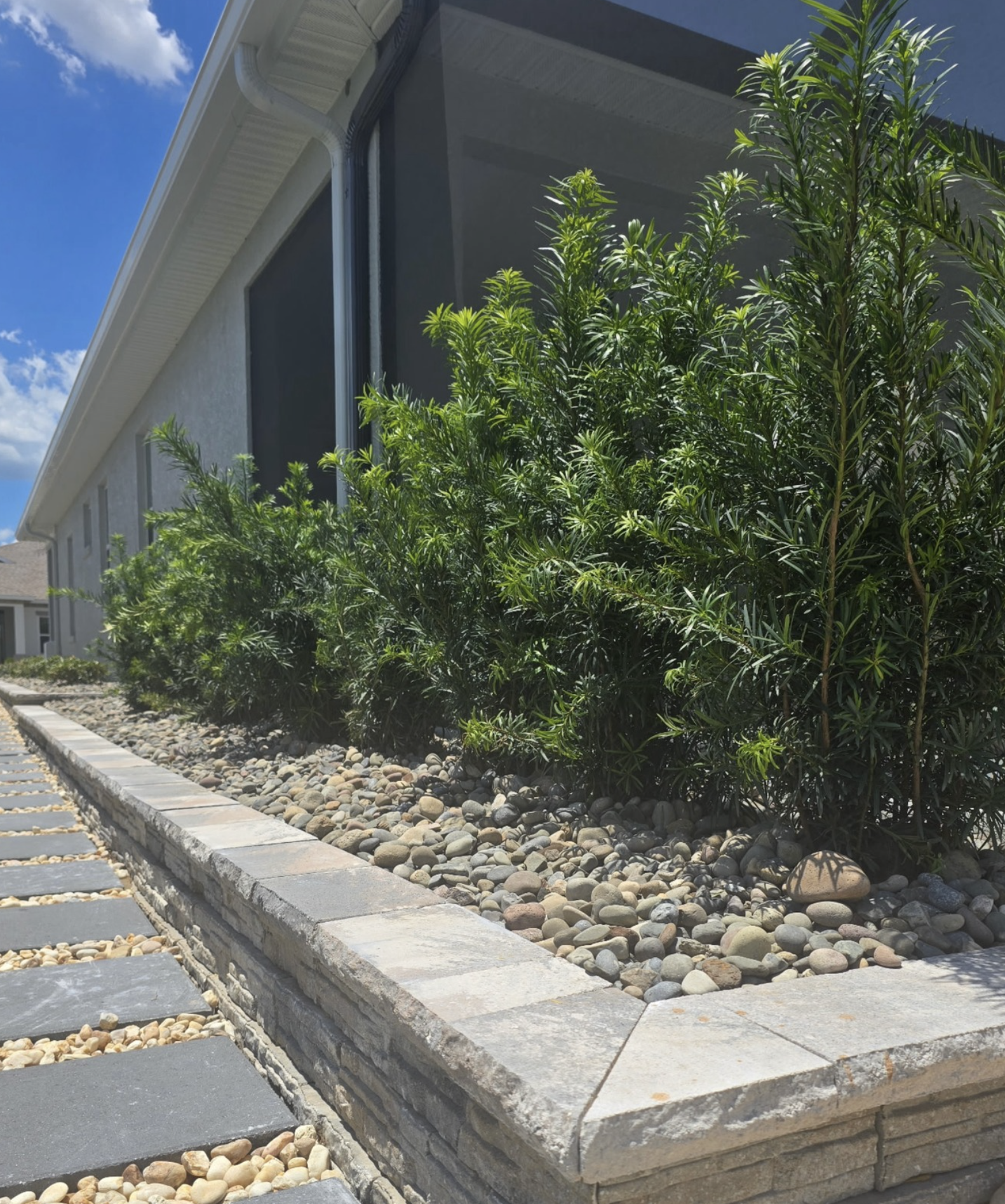
Ocala, nestled in Marion County and USDA Hardiness Zone 9a, features a warm, humid subtropical climate with hot summers, mild winters (occasional light frosts), sandy well-drained soils, and periods of drought. These conditions make selecting the right hedge plants essential for creating beautiful, functional privacy screens, borders, or windbreaks that thrive with minimal fuss.
The best hedges for Ocala balance drought tolerance, heat resistance, dense growth for privacy, and adaptability to local sandy soils. Many top choices are Florida natives or Florida-friendly plants that support pollinators, birds, and wildlife while requiring low maintenance once established.
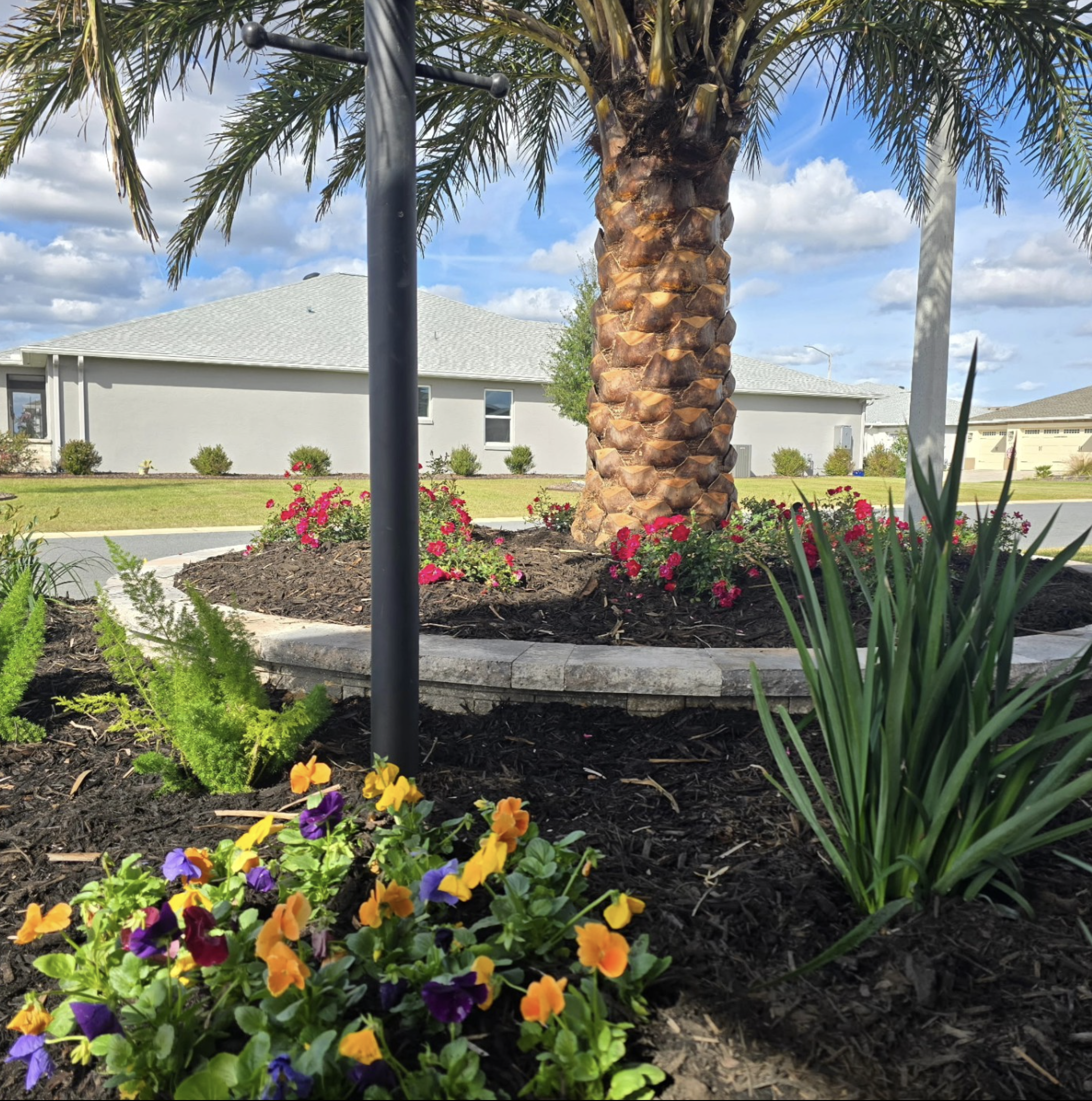
When Should You Invest in Professional Landscape Design? A Guide for Ocala Homeowners
Living in Ocala means enjoying beautiful sunny days, mild winters, and that classic Central Florida vibe—but it also comes with sandy soils, heavy summer rains, occasional dry spells, and the ever-present threat of hurricanes or unexpected cold snaps. Your yard is more than just grass and plants; it's an extension of your home, your outdoor living space, and even a factor in your property's value.
Many homeowners start with DIY efforts: planting a few natives, adding mulch, or trying to create curb appeal on their own. That's great for small tweaks! But at some point, a professional landscape designer can make all the difference—saving you time, money in the long run, and frustration from trial-and-error mistakes.
So, when is it time to bring in Bella Design Landscapes? Here are the key signs and scenarios where investing in professional landscape design pays off big in Ocala.
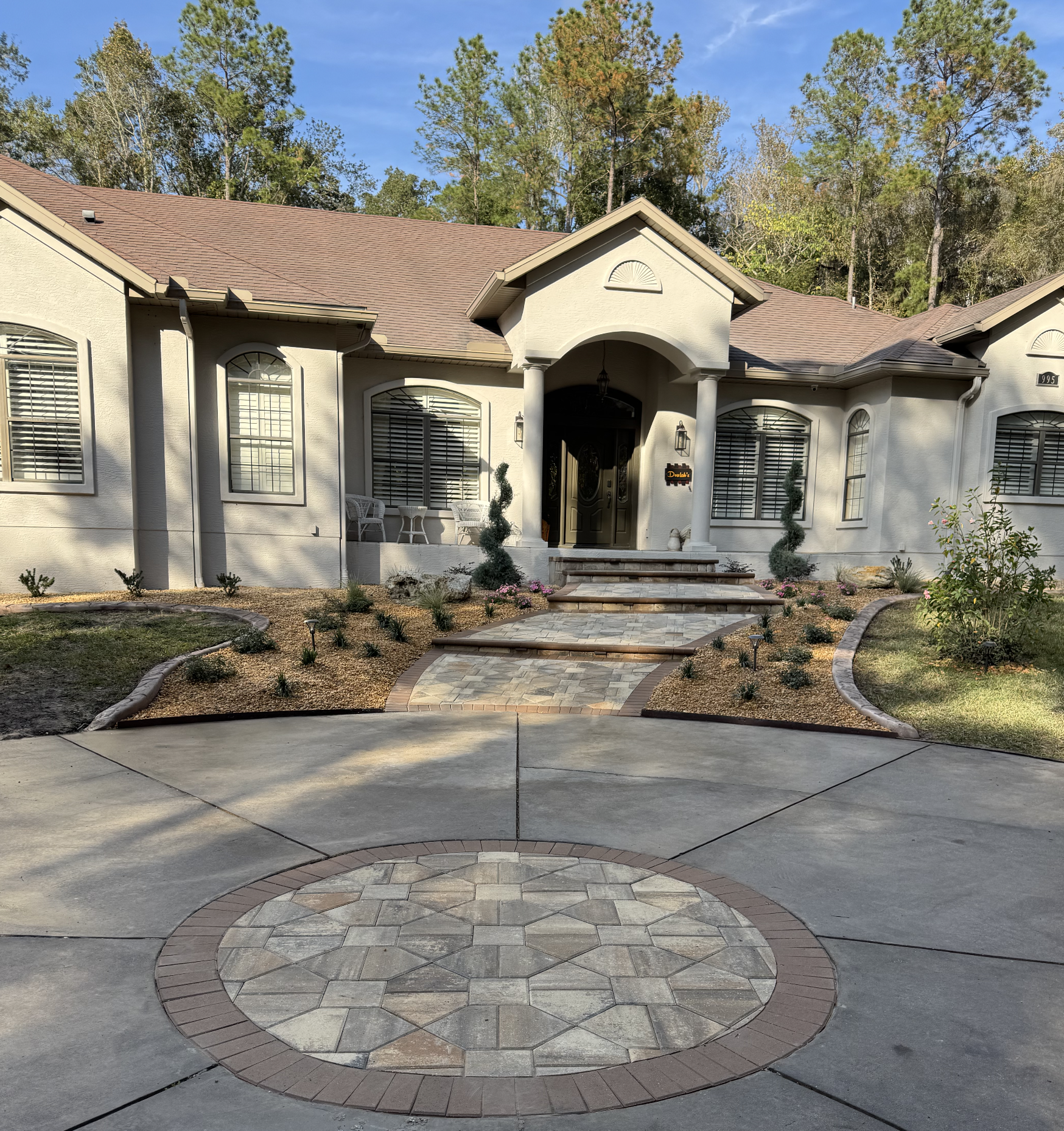
The Art of Topiary: Living Sculptures in Your Garden
Topiary, the ancient practice of clipping and training plants into intricate shapes, transforms ordinary shrubs into living works of art. From simple geometric forms to whimsical animals, topiary adds timeless elegance, structure, and whimsy to gardens worldwide. Whether you're dreaming of formal hedges or playful figures, this horticultural art form is more accessible than you might think.
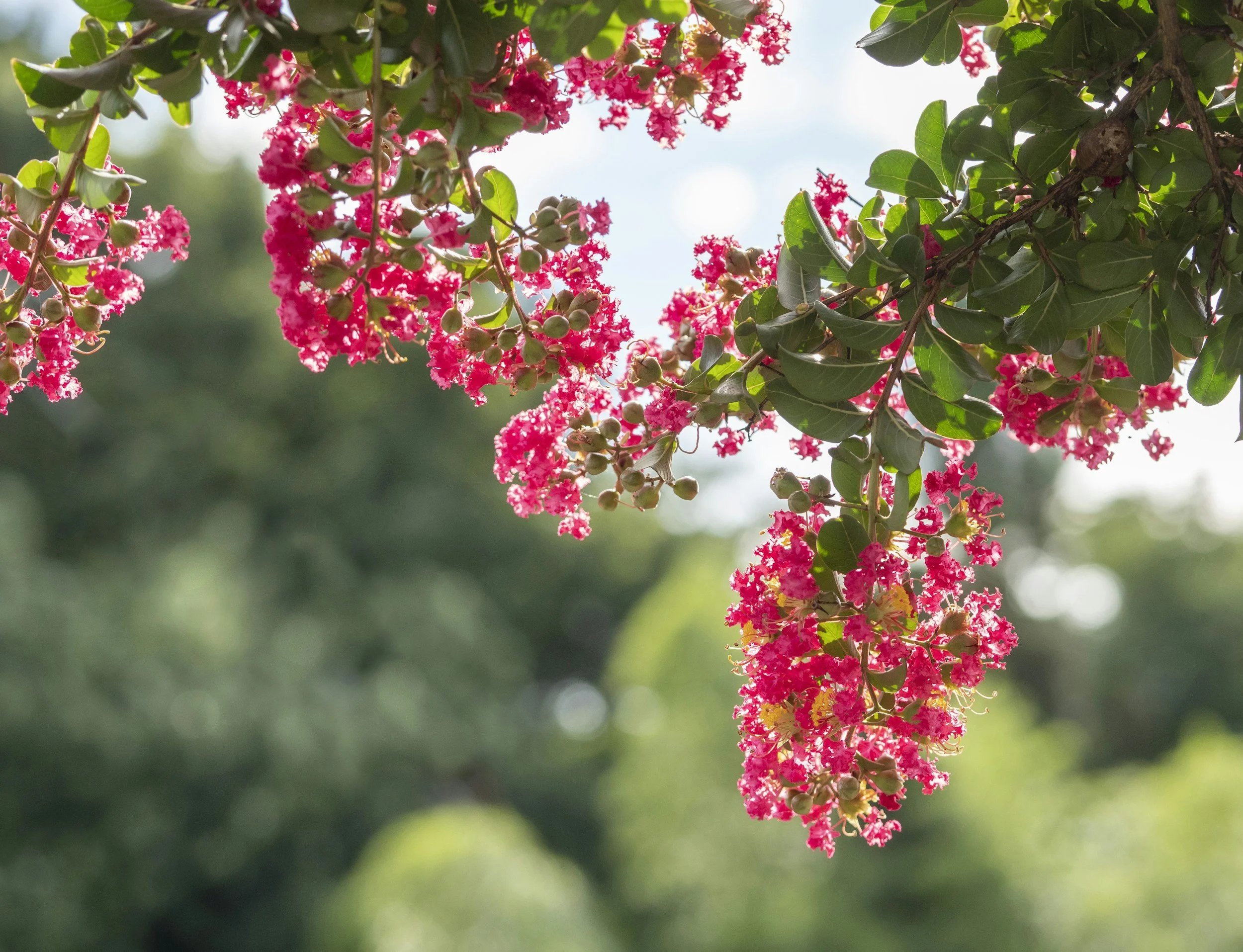
How to Properly Trim Crape Myrtles in Ocala, Florida
Crape myrtles are a beloved staple in Florida landscapes, especially in Ocala. Known as the "lilac of the South," these tough, drought-tolerant trees or shrubs explode with vibrant summer blooms in shades of pink, red, purple, and white, lasting up to 100 days. They also offer attractive peeling bark, fall color, and year-round interest.
But one common mistake plagues many yards: "crape murder" — the severe topping of branches that leaves ugly knobs and weak growth. Fortunately, with proper techniques, your crape myrtles can thrive naturally and beautifully.
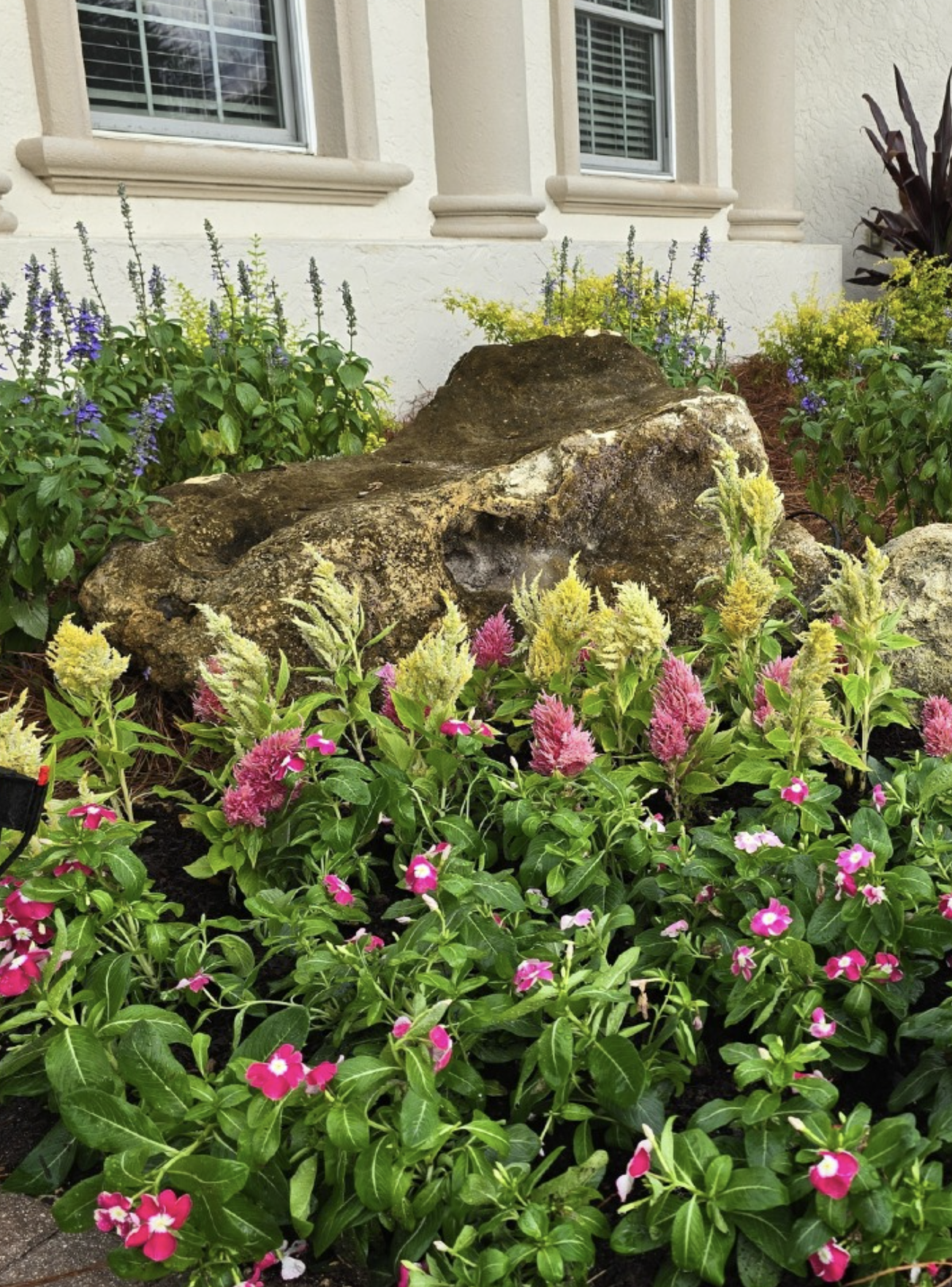
Best Winter Annuals Ocala, Florida
Living in Ocala (solidly USDA Zone 9A) means we rarely see an extended freeze, but we do get enough chilly nights from December through February to make traditional summer annuals sulk. The good news? Our mild winters are perfect for a huge selection of cool season annuals that laugh at 25–35 °F nights and explode with color when the rest of the country is under snow.
Here are the proven, gardener favorite winter annuals that thrive in Ocala’s sandy soils, occasional frosts, and bright winter sun.

Holiday Lighting Magic in Ocala, Florida: A Complete Guide for 2025
There’s something undeniably special about holiday lights in Ocala. Maybe it’s the way the mild December evenings that let you linger outside without freezing, or the way thousands of twinkling lights look against our signature live oaks draped in Spanish moss in the downtown square. Whatever the reason, Ocala goes all in for Christmas and holiday lighting season. Here’s your ultimate guide to enjoying, installing, and experiencing the sparkle in the Horse Capital of the World this year.
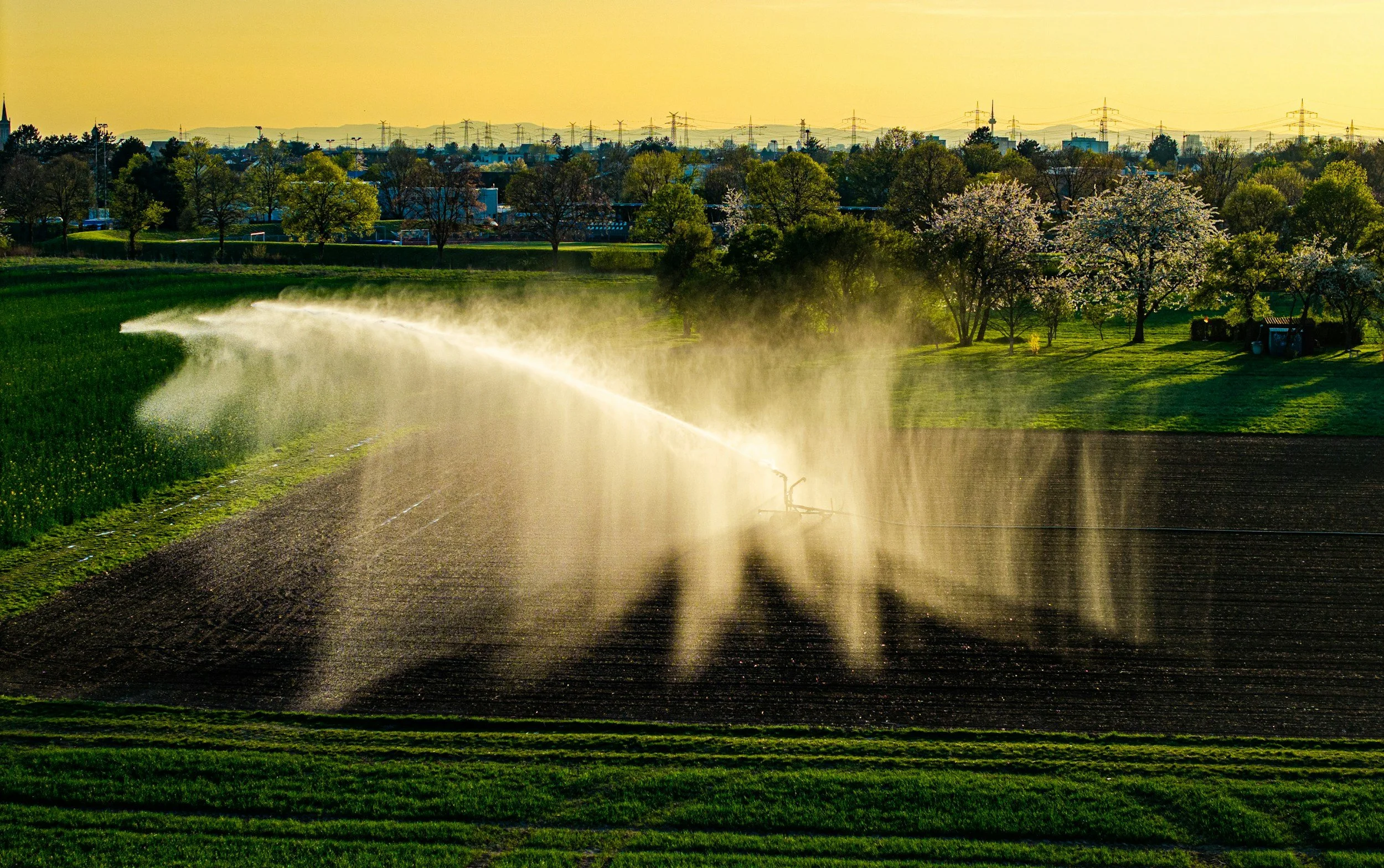
How Irrigation Works
Irrigation is one of humanity’s oldest and most important technologies. For more than 6,000 years, people have been moving water from rivers, lakes, aquifers, and rainfall to fields where crops would otherwise wither. Today, irrigation feeds roughly 40% of the world’s food supply on just 20% of its cropland.
All irrigation systems do one simple thing: they deliver the right amount of water to the root zone of plants at the right time. Too little water → drought stress. Too much water → root rot, nutrient leaching, and wasted energy. The art and science of irrigation is balancing these two extremes.
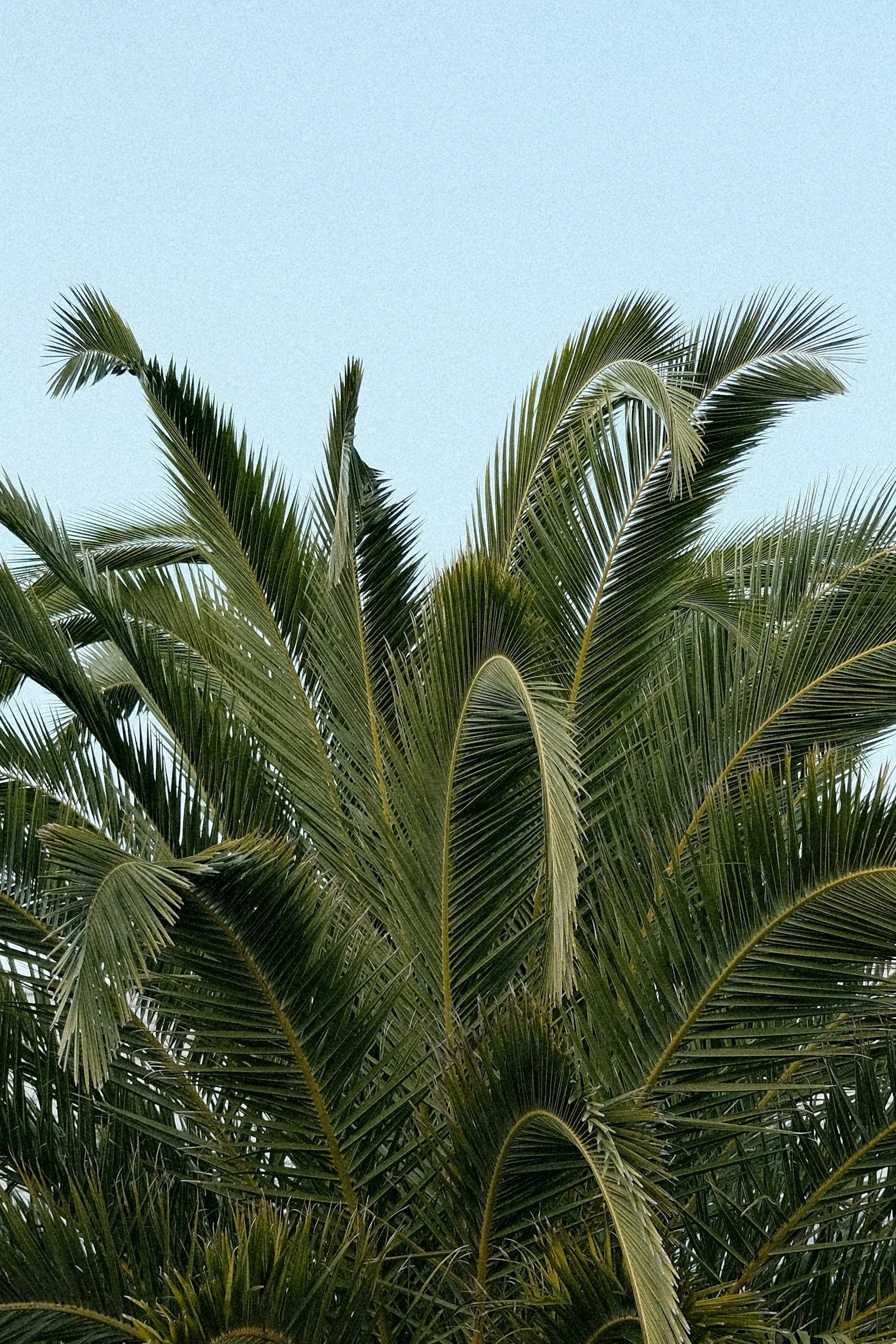
A Practical Blog on Wrapping and Covering Trees in Ocala, Florida
Ocala sits in USDA Hardiness Zone 9a, where the average low dips to 20–25°F only a handful of nights each year. “Winter” here is more about occasional hard freezes than deep snow, but those sudden 2–3 day plunges below 28°F can split bark, desiccate tender new growth, and kill young citrus or palms outright. Proper wrapping keeps heat in, wind out, and ice off without turning your yard into a mummy parade.
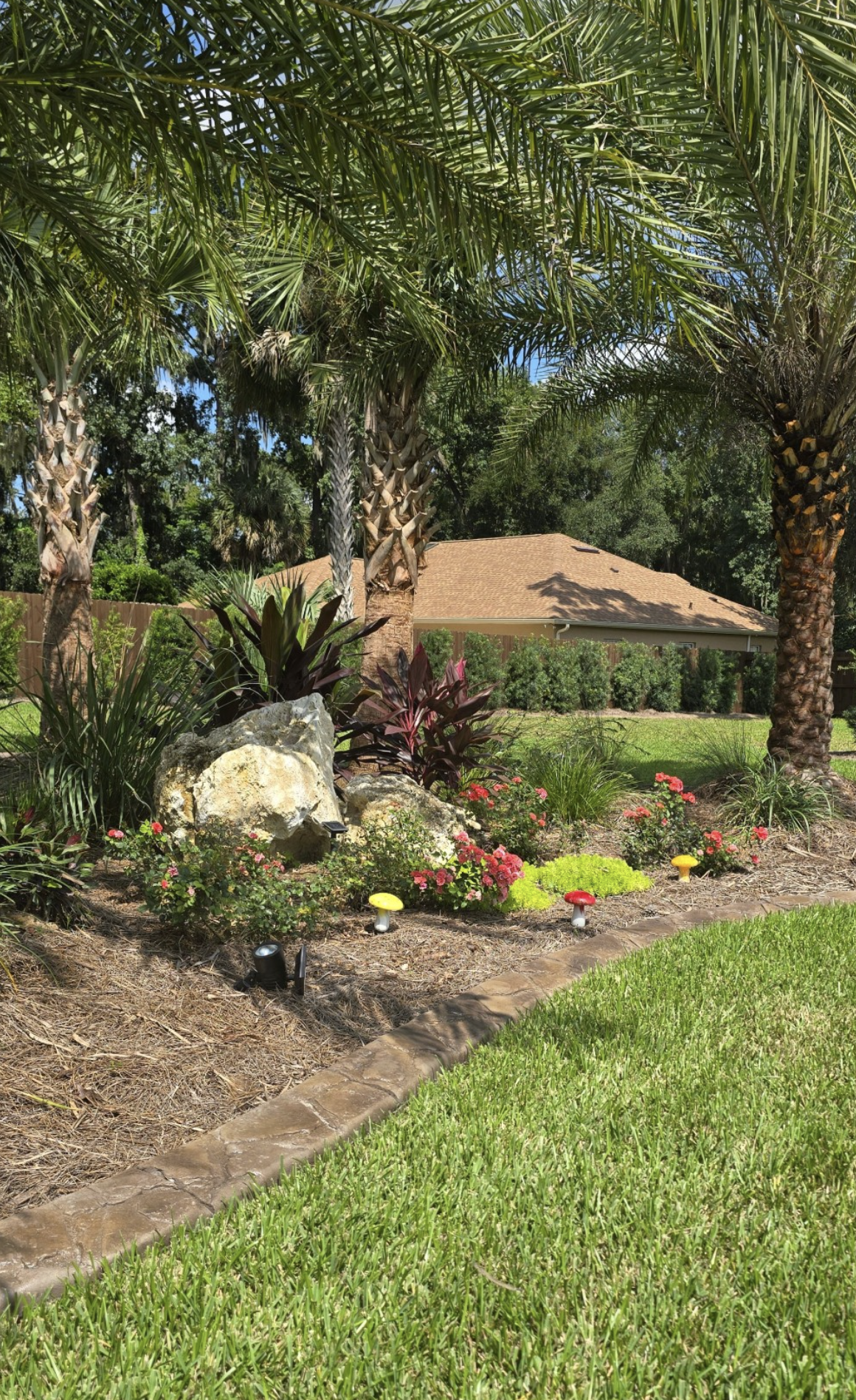
Preparing Your Sod for Winter in Ocala, Florida (USDA Zone 9a)
Ocala’s winters are mild compared to most of the country, but “mild” doesn’t mean “no prep.” USDA Zone 9a sees average lows of 20–25 °F, with occasional dips into the mid-teens. A single hard freeze can brown warm season grasses like St. Augustine, Zoysia, or Bermuda if the lawn isn’t ready. Follow this step by step checklist in late October through mid-November and your sod will sail through winter greener and stronger come spring.
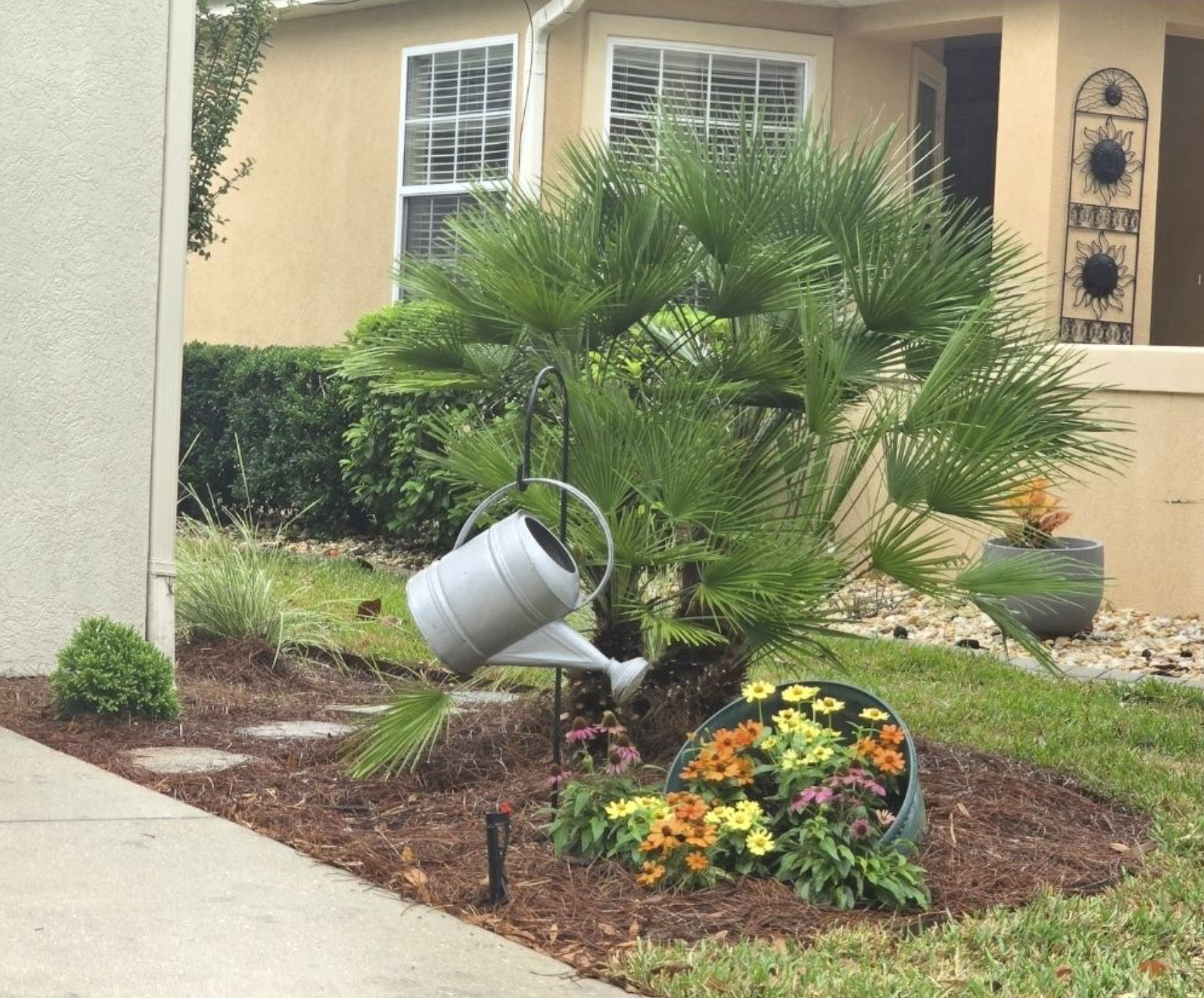
Busting 10 Common Landscaping Myths (So Your Yard Doesn’t Fall for Them)
Landscaping is equal parts science, art, and stubborn trial-and-error. Unfortunately, a lot of “common wisdom” floating around garden centers and neighborhood barbecues is flat out wrong. Let’s clear the mulch and separate fact from fiction.

What Not to Plant in the Fall
Ocala, in USDA Zone 9a, with its mild winters and warm temperatures (average low of 20–25°F), offers a long growing season, making it a gardener’s paradise for much of the year. However, fall is a transitional season, and not all plants thrive when planted during this time due to cooling temperatures, shorter days, and the risk of occasional frost. To ensure successful plants, here’s some recommendations on what not to plant in the fall.

Ignite Your Outdoor Oasis: A Guide to Adding a Firepit to Your Landscape
As the sun dips below the horizon and cooler evenings are upon us, there's nothing quite like gathering around a crackling firepit in your backyard. A firepit isn't just a heat source, especially not in Florida haha, it's a centerpiece that transforms your outdoor space into a cozy retreat for entertaining, relaxing, or simply enjoying the stars. In landscaping, incorporating a firepit can elevate your yard's functionality and aesthetic appeal, blending seamlessly with natural elements like patios, gardens, and lawns. If you’re planning a professional install, this guide will walk you through the essentials of adding a firepit, from planning to maintenance.

Camellias: Timeless Winter Beauties and Essential Growing Tips
As the mercury dips into Ocala's mild winters, rarely below freezing, but just cool enough to coax out vibrant blooms, there's no better time to celebrate the elegance of Camellias! These evergreen shrubs, often called the "Queen of Winter Flowers," transform sleepy landscapes into spectacles of color when most gardens are dormant. Native to Asia and introduced to the U.S. in the late 1700s, Camellias have thrived in the South for over two centuries, and Ocala's USDA Zone 9a climate (with average lows of 20-25°F) is practically tailor-made for them. In this blog, we'll explore the allure of camellias and share practical tips to help Ocala gardeners cultivate these showstoppers right in their backyards.