

Blog
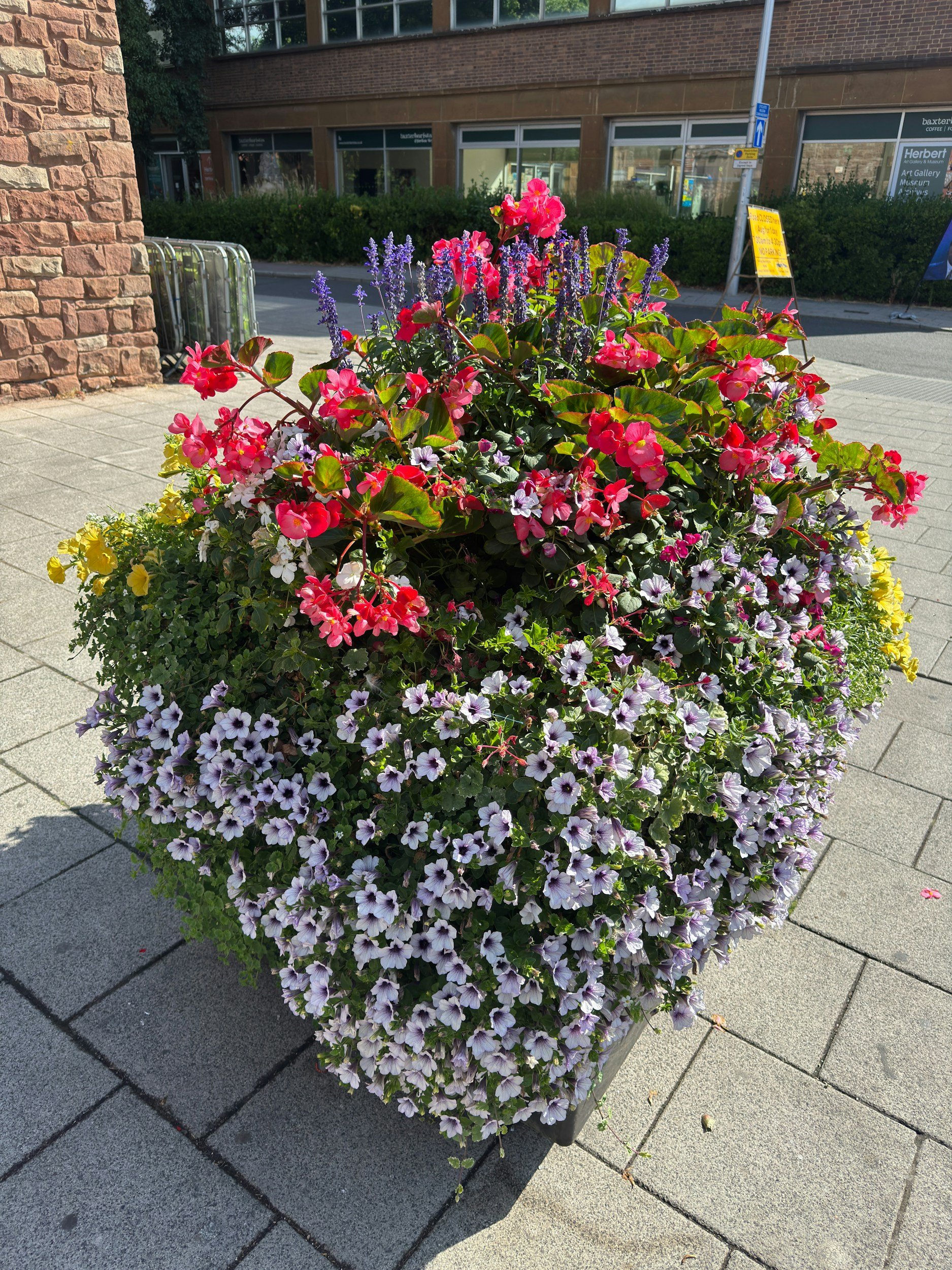
Fall Container Garden Tips for Florida Heat in Ocala
On the calendar, fall starts in September. In Ocala, it often feels like summer is still hanging around well into October. Highs can stay in the upper 80s, the afternoon sun is still strong, and a single dry week can fry a pot of fresh transplants.
That’s actually good news for container gardeners. Our long, warm fall gives you a great planting window, as long as you choose the right plants and set your containers up to handle the heat. Here’s how to make your pots thrive from now through the first cool snap.
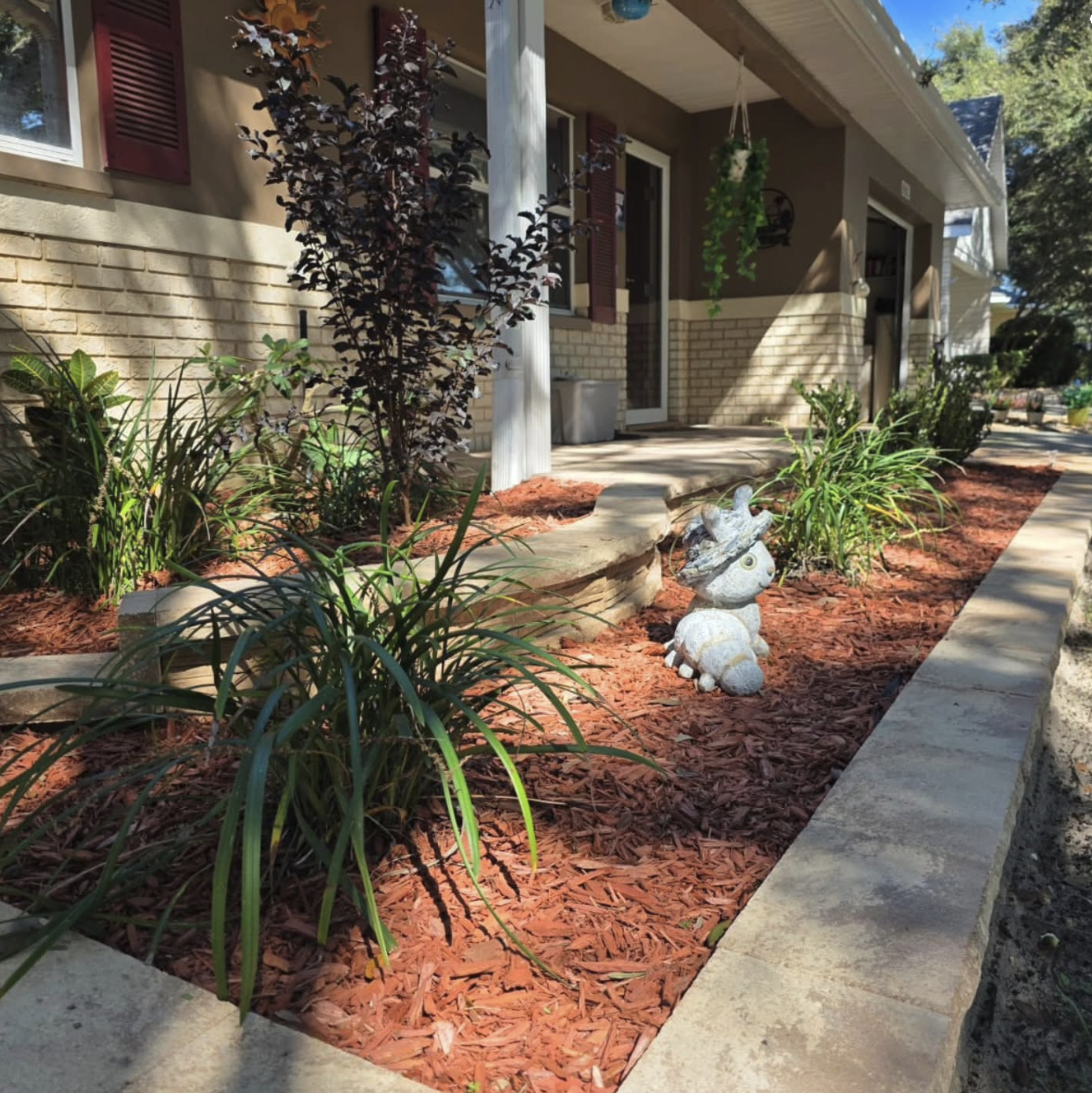
Snowbird-Ready Landscaping: Low-Maintenance Yards for Part-Time Residents
Every fall, thousands of snowbirds head south to enjoy Ocala’s mild winters, horse country views, and slower pace of life. Every spring, many of them head back north and leave a yard behind that has to survive the hottest, wettest, and stormiest months of the year without them.
If you split your year between Ocala and somewhere colder, your landscape should work as hard as you do while you’re away. Here’s how to build a yard that looks great when you arrive in October and still looks cared for when you return.
Fighting Fall Armyworms & Chinch Bugs Before They Wreck Your St. Augustine
A practical lawn defense guide for Ocala and Marion County homeowners.
You water, you mow, you fertilize, and then one week your St. Augustine lawn looks like someone dragged a blowtorch across it. Around Ocala, there's a good chance the culprit isn't drought or disease. It's an insect, and by the time you notice, the damage is already well underway.
Two pests do the most harm to St. Augustine grass in Central Florida: fall armyworms and southern chinch bugs. Here's how to spot them, stop them, and keep them from coming back.
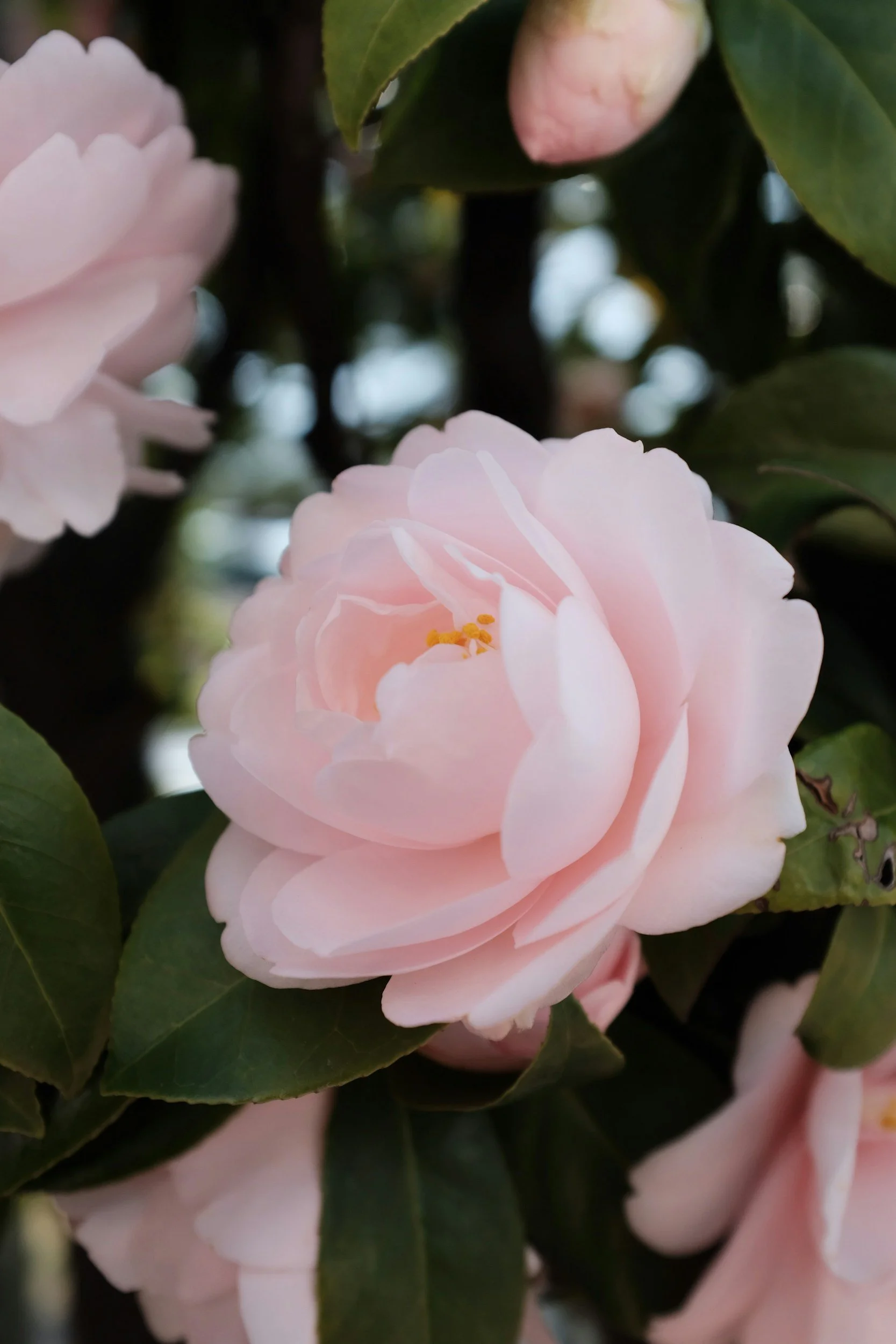
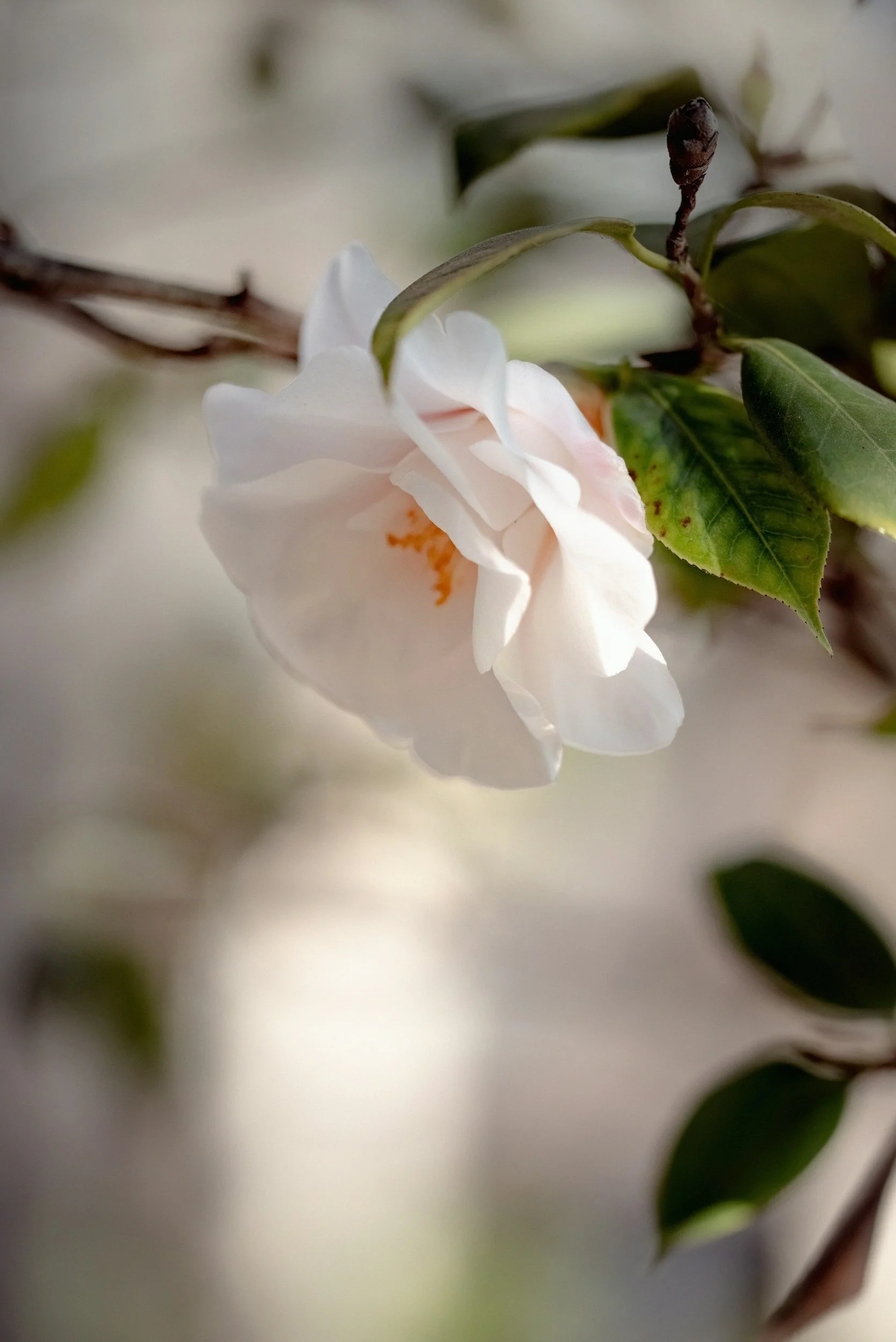
Camellias in Ocala: The Winter Show-Offs of Horse Country
While most of the country is scraping ice off windshields, Ocala gardeners are doing something far more fun: cutting armfuls of camellias. Our mild winters, towering live oaks, and (mostly) acidic sandy soil make Marion County a camellia paradise. If Ocala is the Horse Capital of the World, camellias are the thoroughbreds of the winter garden: elegant, a little high-maintenance, and absolutely worth the stable fees.
Why Fall Is the Best Time to Refresh Your Landscaping in Ocala, Florida
If you've lived in Ocala for even one Florida summer, you already know the drill: by August, the lawn is gasping, the flower beds look tired, and anything you tried to plant in June has spent more energy surviving than growing. So when fall finally rolls around, it's tempting to just enjoy the cooler mornings and put off yard work. Don't. Fall isn't a consolation prize after a brutal summer, it's actually the single best window of the year to refresh your landscaping. Here's why…
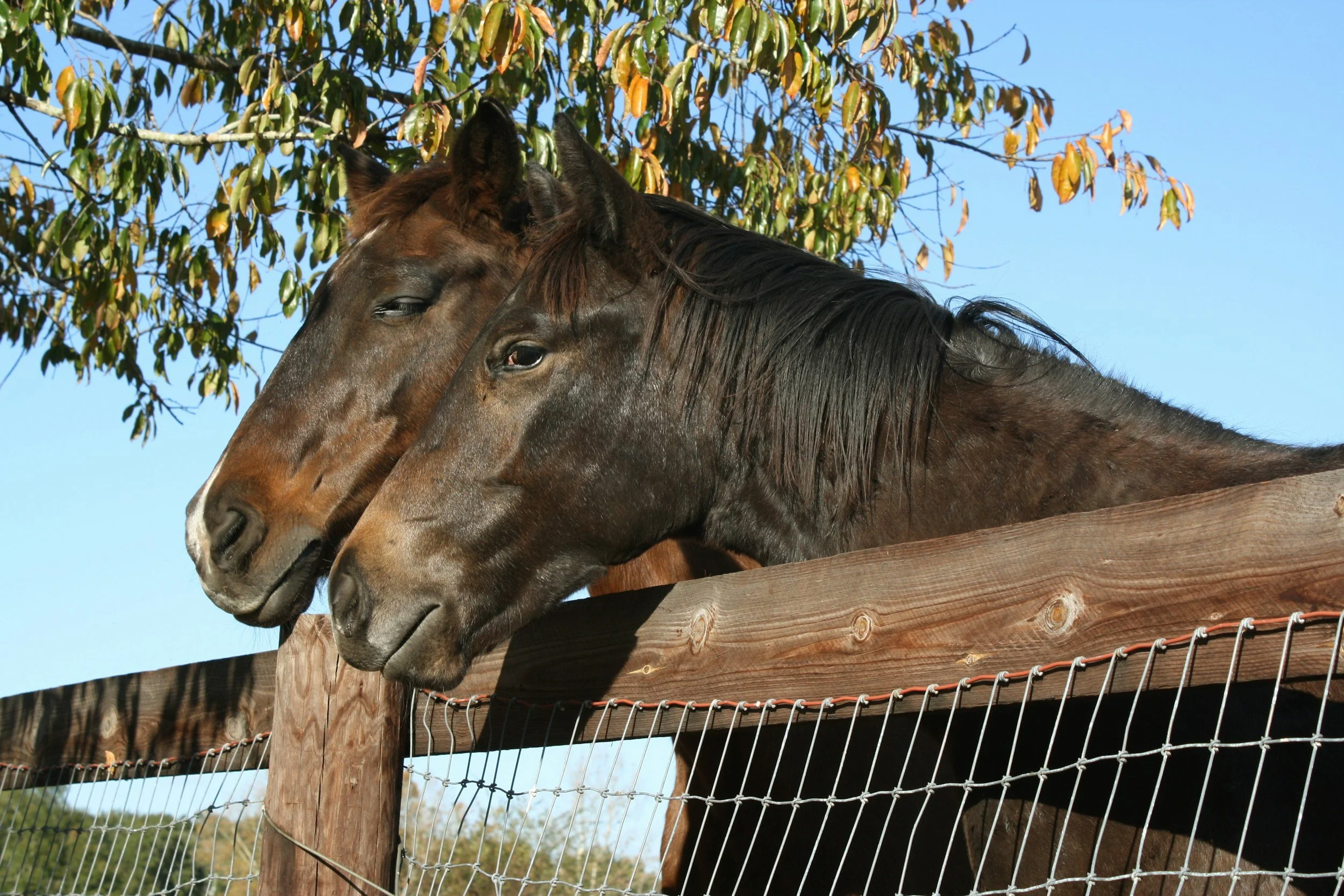
Fall Horse Show Season Kicks Off: A Guide to the World Equestrian Center Calendar
If you've spent any time around Ocala, Florida, the self-proclaimed "Horse Capital of the World," you know that fall doesn't just mean cooler evenings and pumpkins everywhere. It means the return of world-class competition to the World Equestrian Center (WEC), the sprawling, nearly 400-acre complex that has become the epicenter of equestrian sport in Central Florida. Whether you're an exhibitor packing your trailer or a spectator looking for a great (and often free) day out, here's your guide to what's happening on the WEC, Ocala grounds this fall.
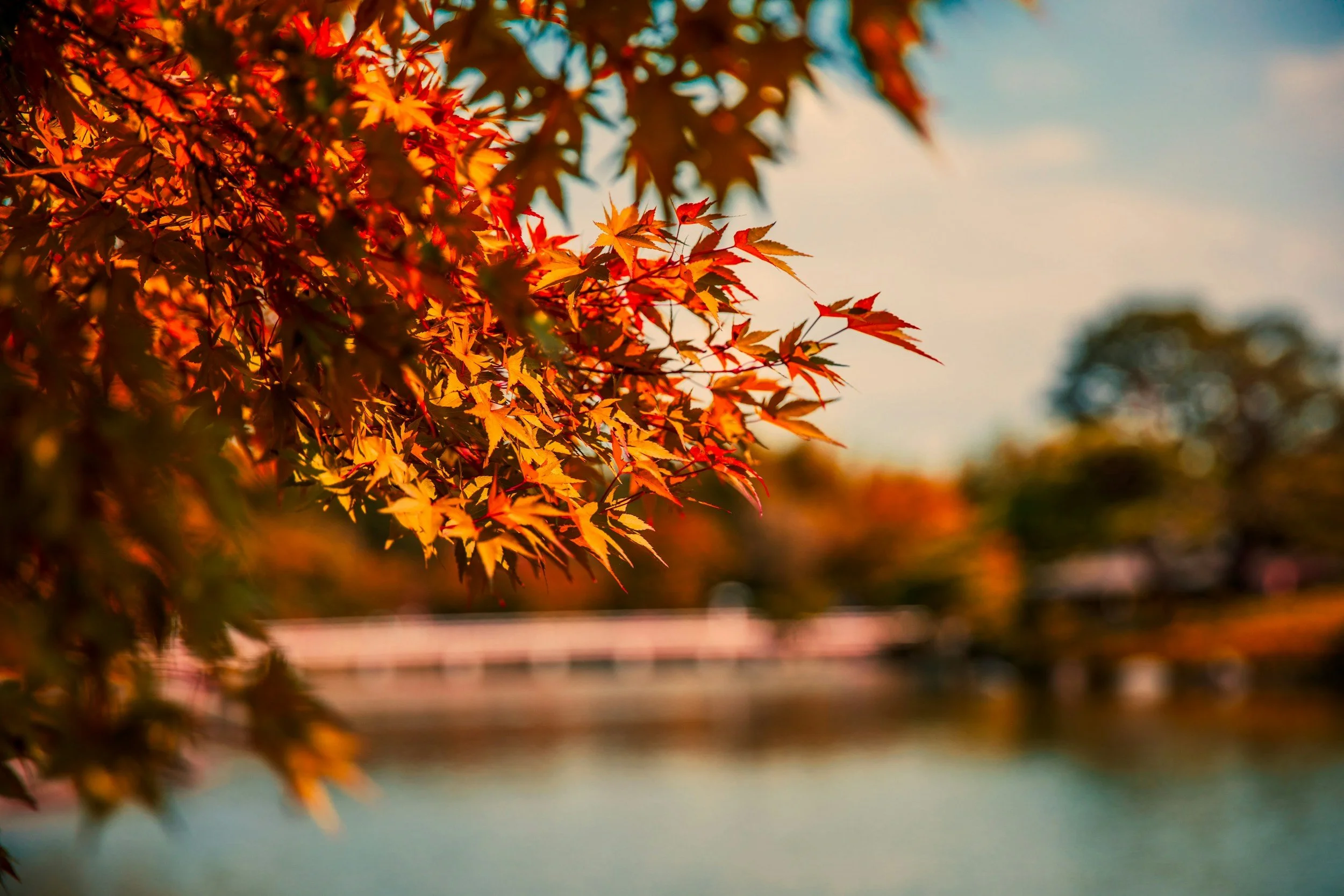
First Day of Fall in Florida: What Actually Changes in Ocala
The autumnal equinox shows up on the calendar every year like clockwork, but if you're standing in your yard in Ocala on that day, it doesn't feel like fall at all. No falling leaves, no crisp morning air, no need for a jacket. So what does actually change here, and more importantly, what should it change about how you care for your landscape? Here's the real story, season by season, from a landscaper's point of view.
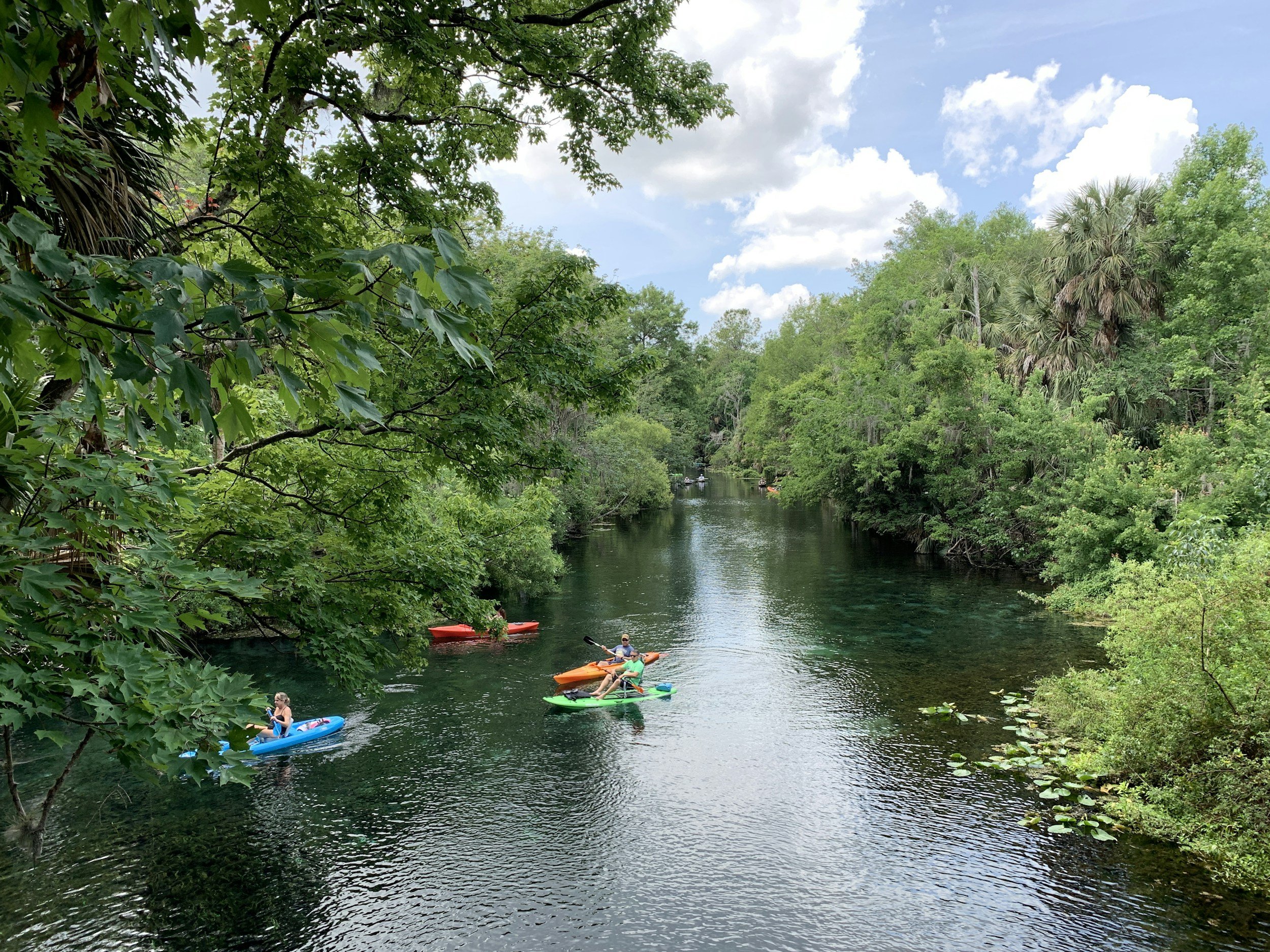
Beating the Late-Summer Heat: Best Springs to Cool Off Near Ocala
September in Ocala doesn't get the memo that summer's supposed to be winding down. The calendar says fall, but the thermometer says otherwise, and there's no better antidote than one of Florida's natural springs. Unlike the ocean or a backyard pool, these springs stay locked in the low-to-mid 70s year-round, no matter how brutal the air temperature gets. Here's your guide to the best ones within reach of Ocala.
Your Ocala Yard in Late Summer: What to Do Right Now
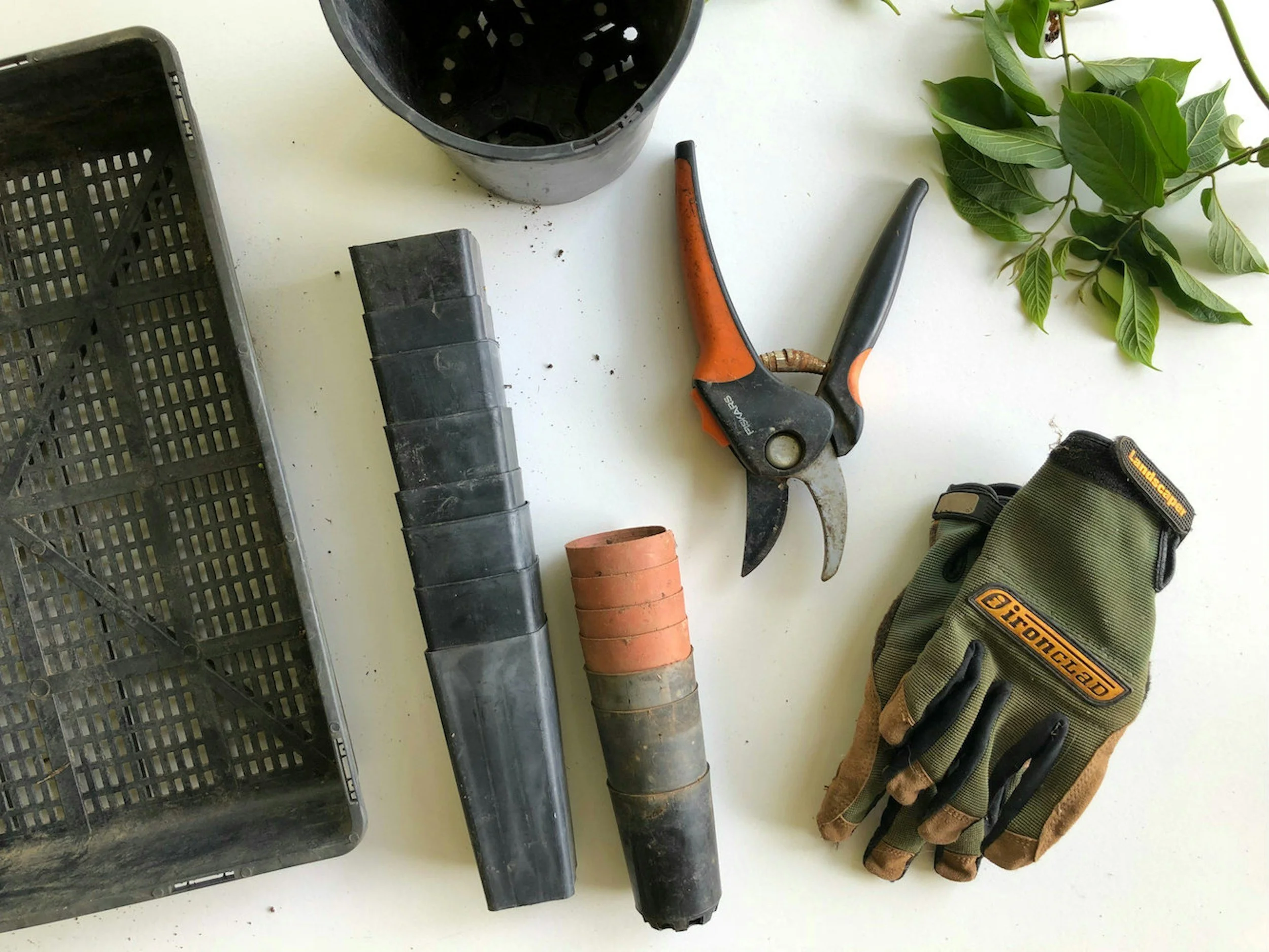
Late August into September is a strange stretch in Marion County. The days are still brutally hot and humid, afternoon storms are still rolling through, but you can feel autumn hovering just out of reach. This is the transition window, and what you do in your yard now sets up how it looks come October and November. Here's your local, no-fluff checklist.
Planting for Wings: How to Grow a Butterfly Garden in Ocala, Florida
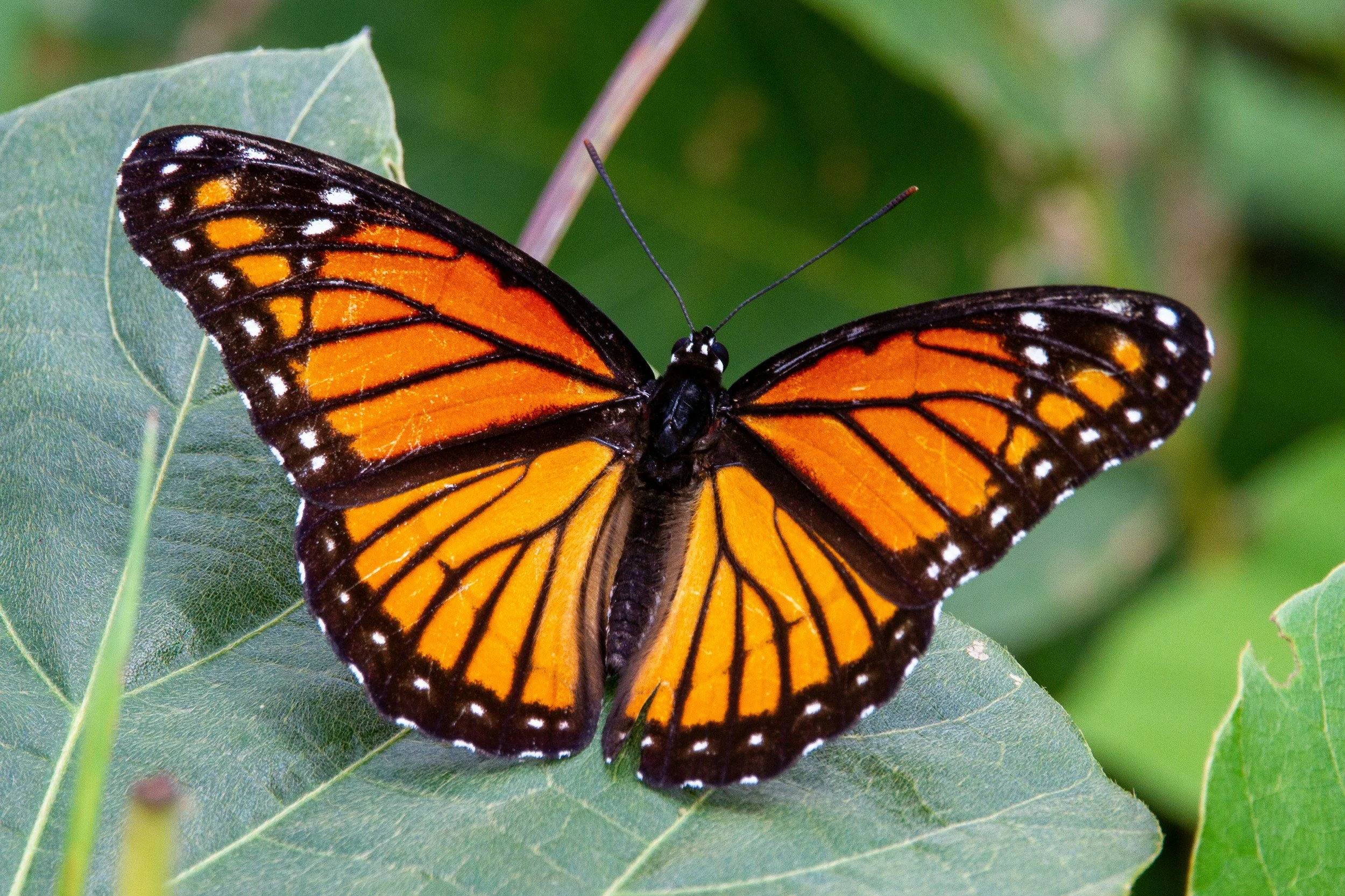
If you've spent any time outside in Marion County, you know the drill, sandy soil, blazing summer sun, the occasional freeze snap in January, and a hurricane season that keeps everyone on their toes. It's a challenging spot for a lot of ornamental plants, but it happens to be a fantastic environment for butterfly gardening, if you work with the land instead of against it.
Weed Control in Ocala Landscape Beds: What Actually Works
Every homeowner in Ocala eventually asks the same question: what do I put down so I stop pulling weeds every weekend? The honest answer is that nothing gets you to zero. Between our sandy soil, long growing season, and near-constant supply of seed blowing in from surrounding pasture and woodland, weed pressure here is simply higher than in most of the country. But some approaches hold up far better than others, and a few of the "obvious" choices actually work against you. Here's what we've seen play out in real Ocala landscape beds.
Bordering Your Beds: A Homeowner's Guide for Ocala, FL
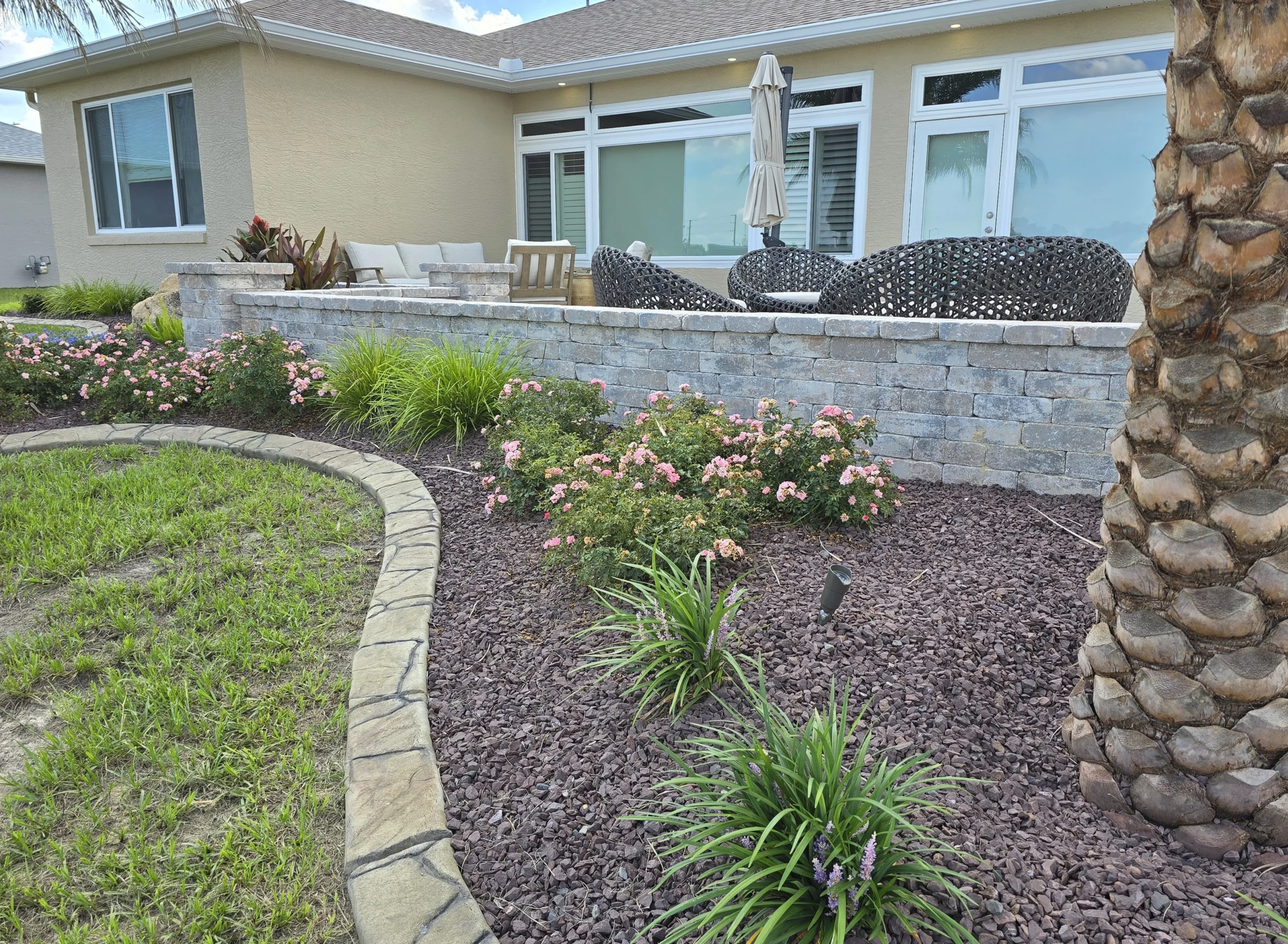
If you've ever watched St. Augustine or Bahia grass creep into a freshly mulched bed three weeks after you edged it, you already know why border choice matters more here than it does in a lot of the country. Ocala's sandy soil, aggressive lawn grasses, hot humid summers, heavy rainy seasons, and the occasional hard freeze all put different pressures on edging materials than you'd see up north. Here's a rundown of your options with Bella Design Landscapes.
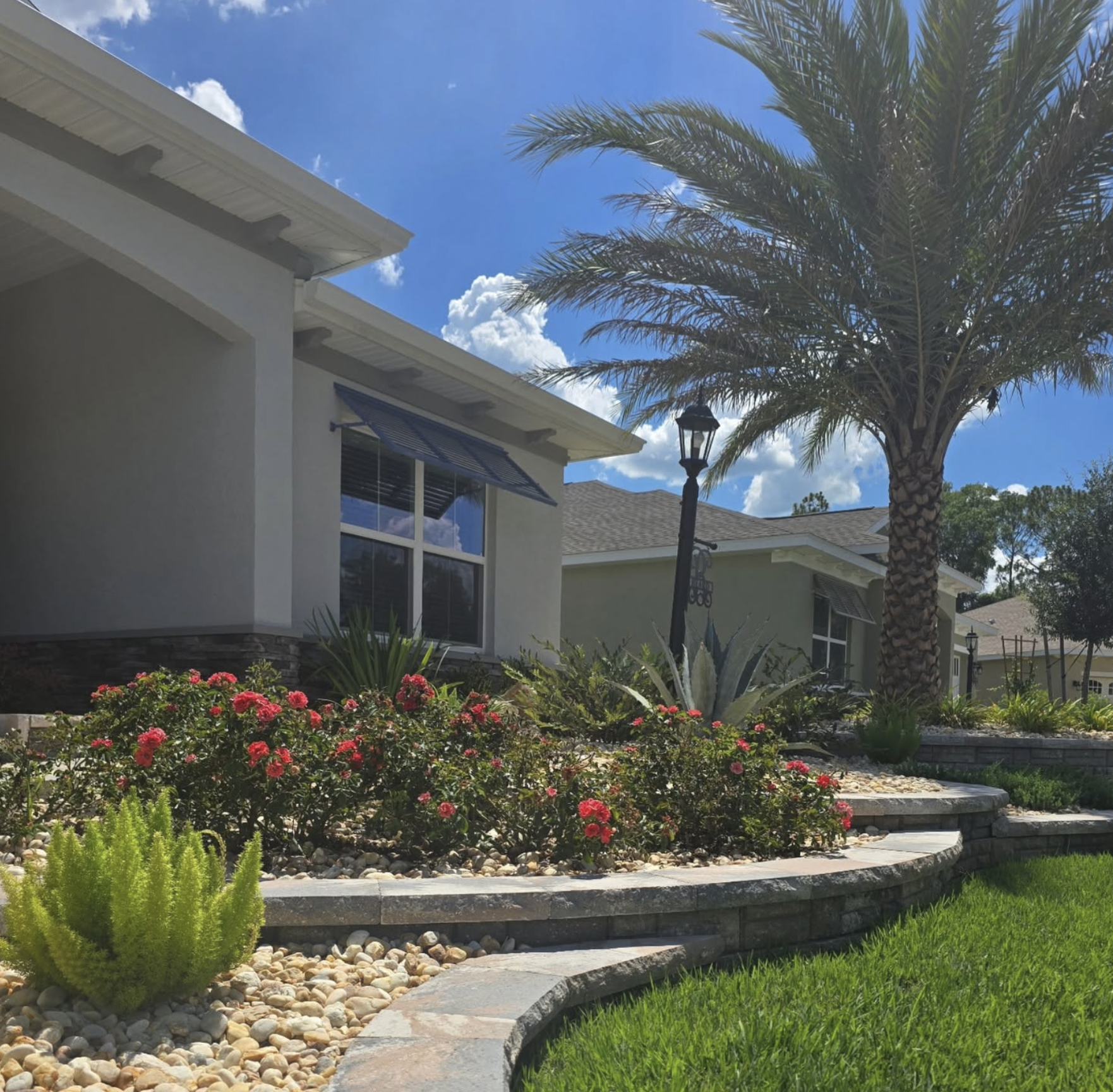
More Color, More Care: What Ocala Gardeners Should Know Before Planting for Impact
If you've driven through a Marion County neighborhood in April and seen a yard bursting with azaleas, or passed a bougainvillea-draped fence off SR-200 in July, you already know Ocala can grow color like few other places. But there's a rule of thumb worth knowing before you fall in love with a plant tag photo: the more color a garden holds, the more care it usually demands. Understanding why, and where the exceptions are, will save you a lot of frustrated Saturday mornings with a hose, pruning and treatments!
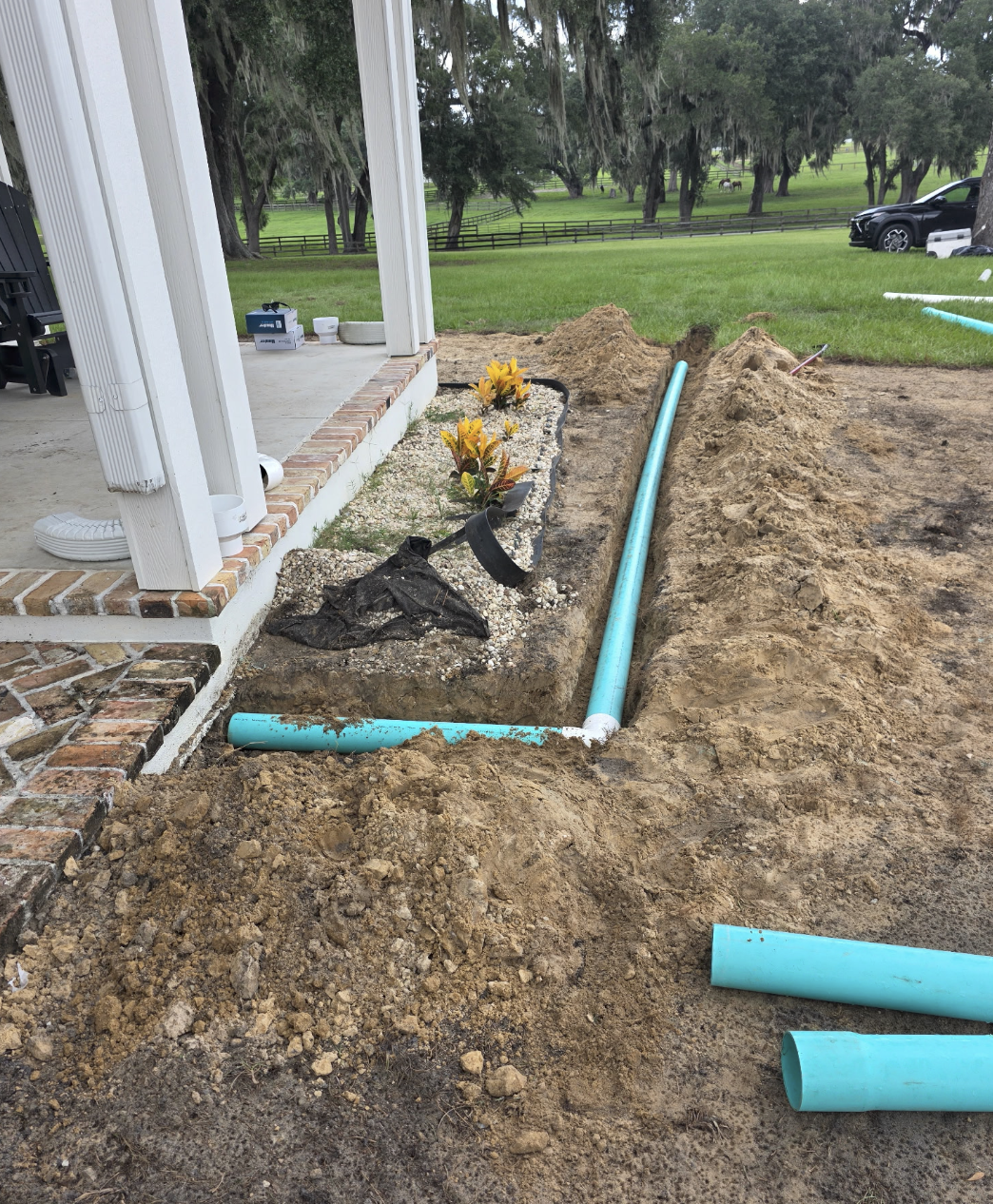
Why Ocala Homeowners Are Burying Their Gutters: The Underground Downspout Advantage
If you've spent a summer in Ocala, you already know what a Florida afternoon storm can do to a yard. One minute the sky is clear, and twenty minutes later your flower beds are flooded, mulch is floating down the driveway, and there's a fresh trench carved along your foundation. For homeowners across Marion County, underground gutters, more accurately called underground downspout drainage systems, have become one of the most practical upgrades in modern landscape design. Here's why they're worth considering for your property!
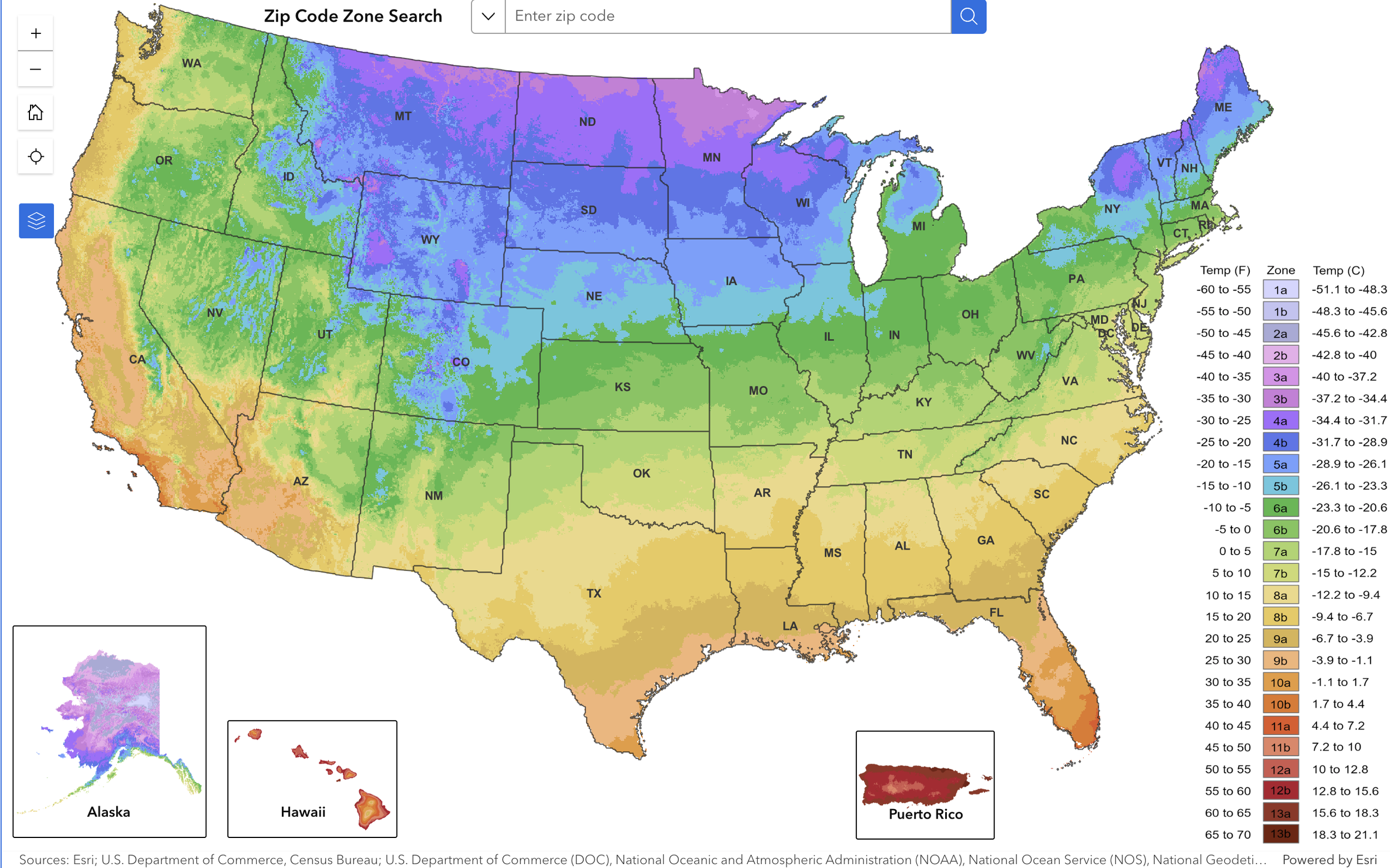
Zone 9a vs. 9b: What Ocala Gardeners Need to Know Before They Plant
If you've ever plugged your Ocala zip code into a plant hardiness lookup tool and gotten a different answer than your neighbor down the road, you're not imagining things. Ocala is one of the few Florida cities that straddles the line between USDA Hardiness Zones 9a and 9b, and that line can make a real difference in what thrives in your yard.
Here's what the split actually means, where it falls in Ocala, and how to landscape smart no matter which side of it you're on.

The Best Dog Friendly Plants for Ocala, Florida
A beautiful yard and a safe backyard for your dogs aren't mutually exclusive, here's how to have both in Marion County. Ocala is a dog lover's city, with miles of trails, sprawling horse-farm properties, and warm weather that keeps pets playing outside year-round, Marion County backyards get a lot of canine use. But here's the thing: some of Florida's most popular and widely sold landscape plants are genuinely dangerous to dogs. Sago palms are a leading cause of pet poisonings nationwide. Oleander can be lethal. And several common nursery staples can cause everything from mild stomach upset to serious organ failure if a curious pup decides to taste them. The good news is you don't have to choose between a lush, beautiful Ocala yard and a safe space for your dog. You just need to know what to plant, and what to avoid.
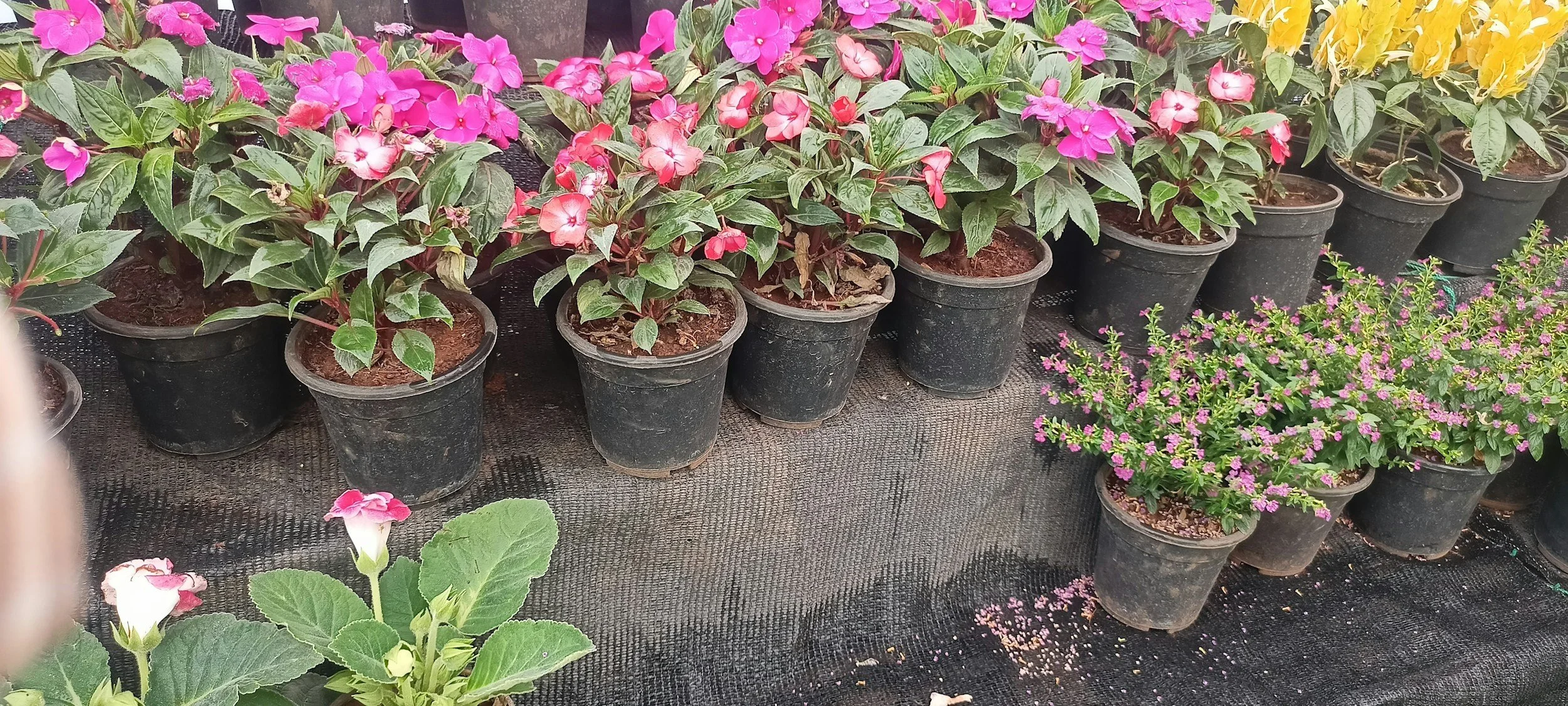
How To Water New Plants During An Ocala, Summer
There's a particular kind of heartbreak familiar to every Ocala gardener: you plant something beautiful in spring, the rains come, and by mid-July it's a brown, crispy disappointment. Or the opposite happens, you water faithfully every single day, and the roots rot before they ever get the chance to spread. Central Florida summers are brutal on new plantings, but the fix isn't more water. It's the right water, at the right time, in the right amount, and the science behind it is more forgiving (and more affordable) than most people think.
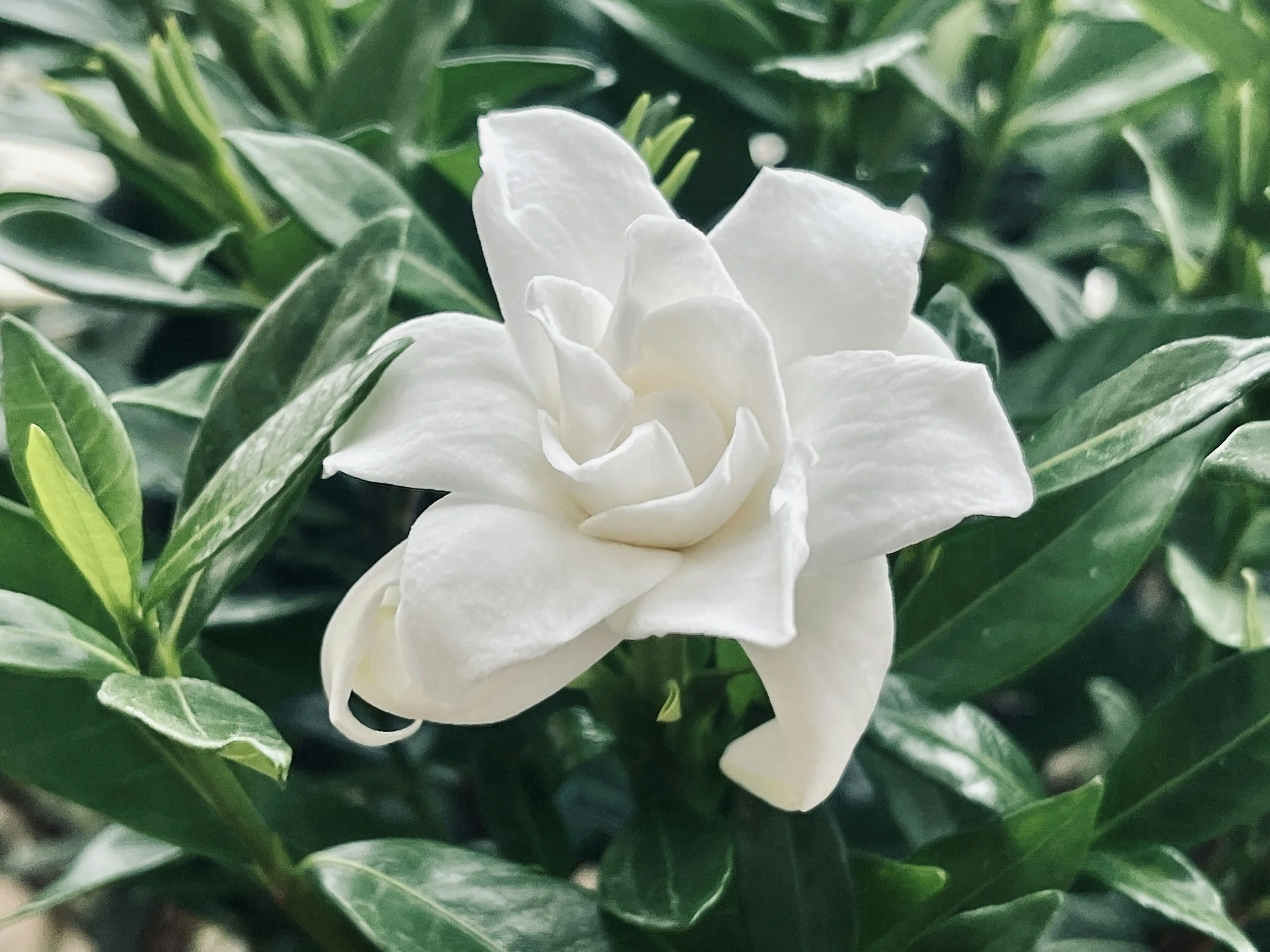
How to Care for Gardenias in Ocala, FL: A Local Gardener's Guide
If you've ever walked past a blooming gardenia on a warm Ocala evening, you know why so many homeowners want one in their own yard. That heavy, sweet fragrance and the glossy, deep-green foliage make gardenias one of the most beloved flowering shrubs in North Central Florida. But gardenias also have a reputation for being a little fussy, and in our specific climate and soil, there are a few things worth knowing before you plant.
Here's a practical, Ocala-specific guide to keeping your gardenia happy and blooming.
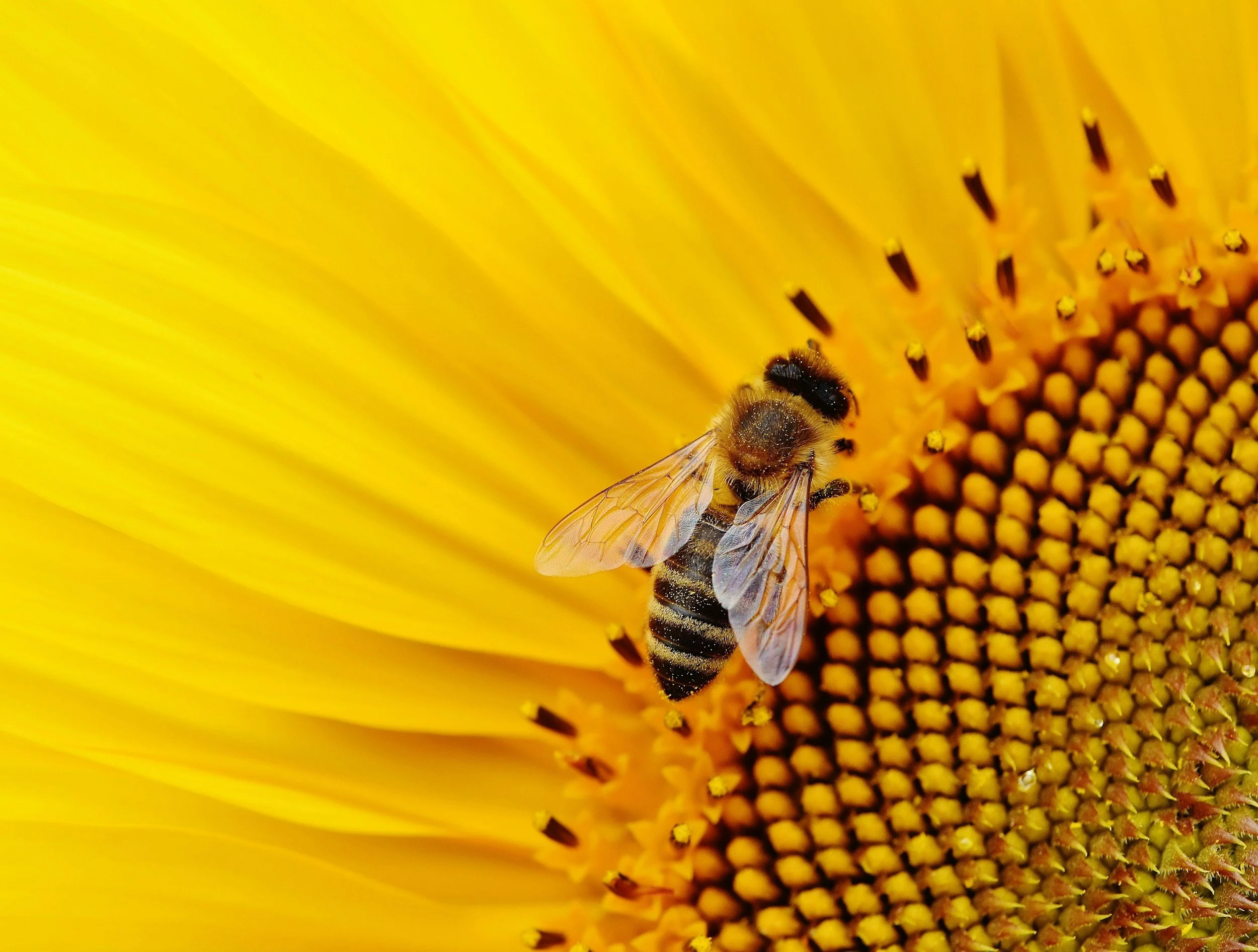
Why Pollinators Are Essential to Ocala, Florida, and What You Can Do to Help
If you've ever watched a bumblebee wrestle its way into a firebush bloom on a warm Ocala morning, or spotted a Monarch butterfly drifting through a field of wildflowers near the Silver River, you've witnessed something far more significant than a charming moment in nature. You've seen the engine of our ecosystem at work. Pollinators, bees, butterflies, hummingbirds, moths, and more, are among the most important creatures on Earth. And right here in Marion County, they need our help more than ever.
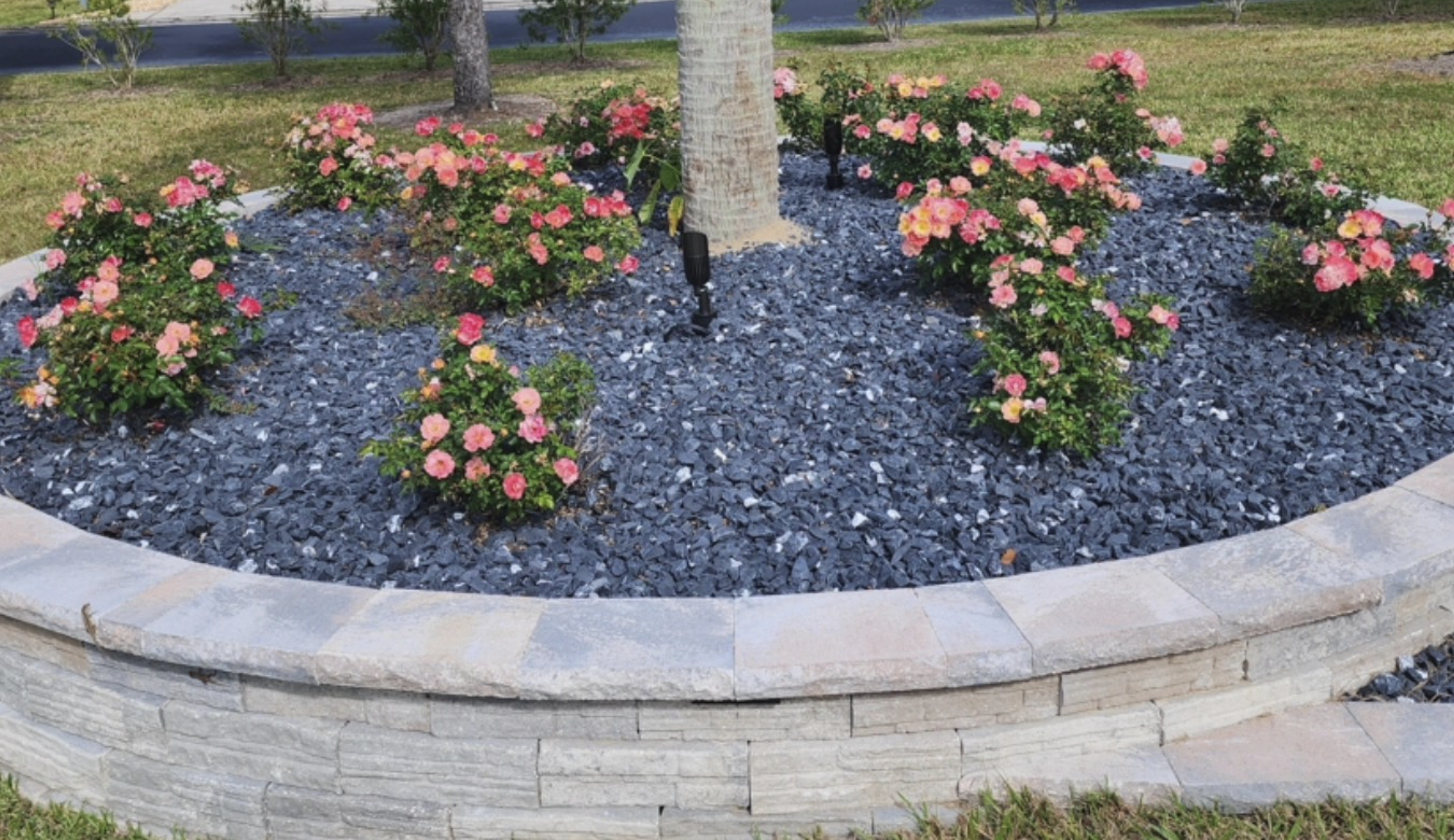
Soaking Up the Florida Sun: A Blog on Best Full Sun Plants
If you've tried to grow garden plants meant for cooler climates in Ocala only to watch them wilt, sulk, or simply disappear by July, you're not alone. Ocala sits squarely in USDA Hardiness Zone 9a, where winter lows dip between 20–25°F and summers are long, humid, and blazing. The good news? There is an entire world of gorgeous plants that don't just survive here, they absolutely thrive!